ELECDURA NETWORK

Your Whole New Supply Chain For Heavy-Duty Parts
Whatsapp:
+86 18915027366
Phone:
+86 18915027366
Views: 0 Author: Site Editor Publish Time: 2026-07-28 Origin: Site
A heavy-duty truck fan clutch can be controlled by air pressure, an electronic signal, a viscous thermal mechanism, or a combination of vehicle logic and mechanical engagement. The driver may report the same symptom—overheating, constant roar, weak A/C at idle, or poor fuel economy—even though the test path differs completely between systems.
Fleet technicians and parts buyers therefore need to identify the control architecture before ordering a replacement. The Elecdurauto heavy-duty fan clutch range provides product-family context, but the removed unit, hub geometry, connector or airline arrangement, engine platform, and commanded engagement data remain essential for aftermarket matching.
This guide contrasts air and electronic control without assuming that one technology is universally better. The practical goal is to diagnose the complete cooling request, verify how the clutch receives and responds to a command, and convert the result into a fitment record that can support repeat wholesale orders.
Trace the airline, electrical connector, temperature inputs, engine controller, relay logic, and manual override rather than guessing from the clutch shape. For fan clutch control, the result should be written into the job record before the vehicle, machine, or removed part leaves the workshop.
Use the vehicle diagram and the installed hardware to establish whether loss of air, loss of voltage, or a missing command should engage or disengage the fan. During identify the control architecture before testing the clutch, the technician should identify the test condition, the instrument or visual evidence used, and the point at which the result changes the repair decision. The identify the control architecture before testing the clutch record stays tied to a repeatable heavy-duty procedure rather than a one-time impression.
The evidence package for identify the control architecture before testing the clutch should include the application, original markings, all relevant interfaces, observed operating behavior, and any correction completed before retesting. Evidence from identify the control architecture before testing the clutch helps a remote technical buyer understand why one replacement direction is acceptable and another remains unverified.
Record all connector pins or air ports.
Identify temperature and pressure inputs.
Check whether the system is normally engaged.
Note any manual fan switch.
This first classification prevents a distributor from supplying a mechanically similar clutch with incompatible fail-safe behaviour. Before the identify the control architecture before testing the clutch quotation is approved, assign a clear status—accepted for the named application, pending more evidence, or rejected. The identify the control architecture before testing the clutch release gate protects the fleet from an urgent substitution and gives the importer a stable specification for repeat supply.
At the end of this identify the control architecture before testing the clutch module, compare technical fit, operating risk, packaging continuity, lead time, and claim evidence as separate decision factors. Within identify the control architecture before testing the clutch, a lower unit price does not offset a mismatch that creates a second service visit or an unusable warehouse batch.
An air clutch depends on supply pressure, clean routing, valves, seals, and correct release or engagement pressure. For fan clutch control, a measured finding gives procurement a stronger basis than appearance, memory, or a broad catalogue description.
Measure pressure at the clutch during command transitions, inspect leaks and restrictions, and verify that the solenoid valve follows the controller request. During diagnose air-controlled fan clutches as pneumatic systems, the technician should identify the test condition, the instrument or visual evidence used, and the point at which the result changes the repair decision. The diagnose air-controlled fan clutches as pneumatic systems record stays tied to a repeatable heavy-duty procedure rather than a one-time impression.
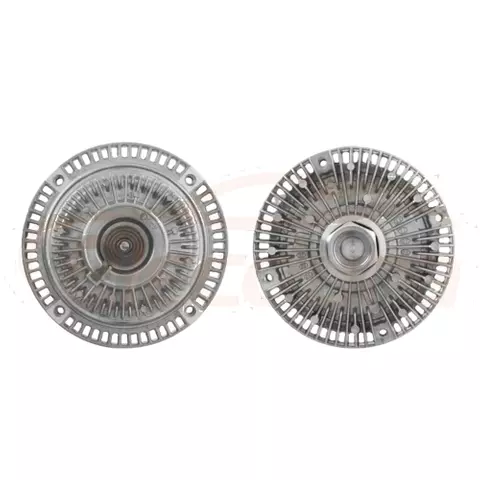
Fan clutch reference for air-control and hub-geometry checks.
The evidence package for diagnose air-controlled fan clutches as pneumatic systems should include the application, original markings, all relevant interfaces, observed operating behavior, and any correction completed before retesting. Evidence from diagnose air-controlled fan clutches as pneumatic systems helps a remote technical buyer understand why one replacement direction is acceptable and another remains unverified.
Check reservoir and regulated pressure.
Listen for leakage at the hub and valve.
Inspect damaged or heat-exposed airlines.
Confirm valve exhaust is not blocked.
A replacement order should state port position, line fitting, hub arrangement, and observed pressure response so the supplier can review more than a reference number. Before the diagnose air-controlled fan clutches as pneumatic systems quotation is approved, assign a clear status—accepted for the named application, pending more evidence, or rejected. The diagnose air-controlled fan clutches as pneumatic systems release gate protects the fleet from an urgent substitution and gives the importer a stable specification for repeat supply.
At the end of this diagnose air-controlled fan clutches as pneumatic systems module, compare technical fit, operating risk, packaging continuity, lead time, and claim evidence as separate decision factors. Within diagnose air-controlled fan clutches as pneumatic systems, a lower unit price does not offset a mismatch that creates a second service visit or an unusable warehouse batch.
Electronic control adds wiring, modules, sensors, and diagnostic data, yet the clutch still has bearings, friction surfaces, and a driven fan. For fan clutch control, that distinction matters when a fleet has repeated downtime and the distributor must separate fitment from system condition.
Compare command and feedback data, verify voltage and ground under load, inspect connector heat or corrosion, and observe whether engagement changes fan speed as expected. During test electronic commands and feedback without skipping the mechanical load, the technician should identify the test condition, the instrument or visual evidence used, and the point at which the result changes the repair decision. The test electronic commands and feedback without skipping the mechanical load record stays tied to a repeatable heavy-duty procedure rather than a one-time impression.
The evidence package for test electronic commands and feedback without skipping the mechanical load should include the application, original markings, all relevant interfaces, observed operating behavior, and any correction completed before retesting. Evidence from test electronic commands and feedback without skipping the mechanical load helps a remote technical buyer understand why one replacement direction is acceptable and another remains unverified.
Capture command percentage or on/off status.
Measure voltage drop under engagement.
Inspect harness support near rotating parts.
Compare commanded and actual fan response.
B2B buyers should photograph the connector and retain fault codes because a correct hub with the wrong electronics can create an immediate return. Before the test electronic commands and feedback without skipping the mechanical load quotation is approved, assign a clear status—accepted for the named application, pending more evidence, or rejected. The test electronic commands and feedback without skipping the mechanical load release gate protects the fleet from an urgent substitution and gives the importer a stable specification for repeat supply.
At the end of this test electronic commands and feedback without skipping the mechanical load module, compare technical fit, operating risk, packaging continuity, lead time, and claim evidence as separate decision factors. Within test electronic commands and feedback without skipping the mechanical load, a lower unit price does not offset a mismatch that creates a second service visit or an unusable warehouse batch.
Coolant temperature is only one trigger; charge-air temperature, A/C pressure, transmission temperature, retarder use, and stationary hydraulic load may also request airflow. For fan clutch control, clear acceptance evidence also makes later batch inspection faster because the approved features are already defined.
Reproduce the complaint under safe conditions and examine radiator, condenser, charge-air cooler, shroud, fan blade, belt drive, and airflow restriction before condemning the clutch. During relate fan engagement to the complete cooling demand, the technician should identify the test condition, the instrument or visual evidence used, and the point at which the result changes the repair decision. The relate fan engagement to the complete cooling demand record stays tied to a repeatable heavy-duty procedure rather than a one-time impression.
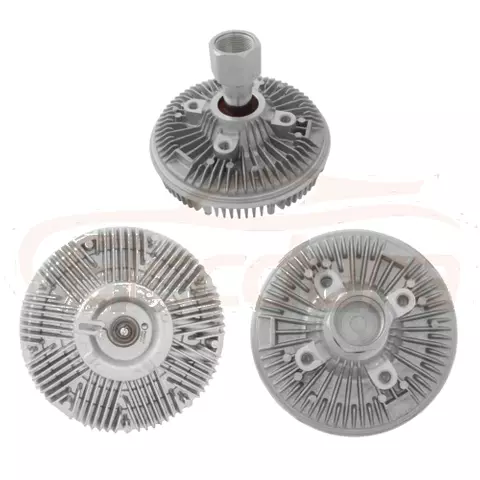
Commercial-vehicle fan clutch used for engagement comparison.
The evidence package for relate fan engagement to the complete cooling demand should include the application, original markings, all relevant interfaces, observed operating behavior, and any correction completed before retesting. Evidence from relate fan engagement to the complete cooling demand helps a remote technical buyer understand why one replacement direction is acceptable and another remains unverified.
Clean and inspect the cooling stack.
Check shroud sealing and blade clearance.
Review A/C pressure during idle complaints.
Document route and ambient conditions.
For fleets, this wider review protects against replacing an engagement device when the cooling stack cannot transfer heat. Before the relate fan engagement to the complete cooling demand quotation is approved, assign a clear status—accepted for the named application, pending more evidence, or rejected. The relate fan engagement to the complete cooling demand release gate protects the fleet from an urgent substitution and gives the importer a stable specification for repeat supply.
At the end of this relate fan engagement to the complete cooling demand module, compare technical fit, operating risk, packaging continuity, lead time, and claim evidence as separate decision factors. Within relate fan engagement to the complete cooling demand, a lower unit price does not offset a mismatch that creates a second service visit or an unusable warehouse batch.
Pilot diameter, bolt circle, fan offset, pulley alignment, rotation, clutch length, ports, voltage, and connector keying all affect installation. For fan clutch control, the workshop should preserve photographs and readings so a warranty discussion does not begin with missing facts.
Compare the removed unit with product references such as the 6C118C617CC fan clutch and H10HE828 fan clutch only after confirming the control family and dimensions. During match hub geometry and fail-safe behaviour for replacement, the technician should identify the test condition, the instrument or visual evidence used, and the point at which the result changes the repair decision. The match hub geometry and fail-safe behaviour for replacement record stays tied to a repeatable heavy-duty procedure rather than a one-time impression.
The evidence package for match hub geometry and fail-safe behaviour for replacement should include the application, original markings, all relevant interfaces, observed operating behavior, and any correction completed before retesting. Evidence from match hub geometry and fail-safe behaviour for replacement helps a remote technical buyer understand why one replacement direction is acceptable and another remains unverified.
Measure pilot, flange, and offset.
Confirm rotation and fan mounting.
Match airline or connector orientation.
State the control fail position.
The purchasing file should distinguish an aftermarket replacement from any unverified genuine or official-OE claim. Before the match hub geometry and fail-safe behaviour for replacement quotation is approved, assign a clear status—accepted for the named application, pending more evidence, or rejected. The match hub geometry and fail-safe behaviour for replacement release gate protects the fleet from an urgent substitution and gives the importer a stable specification for repeat supply.
At the end of this match hub geometry and fail-safe behaviour for replacement module, compare technical fit, operating risk, packaging continuity, lead time, and claim evidence as separate decision factors. Within match hub geometry and fail-safe behaviour for replacement, a lower unit price does not offset a mismatch that creates a second service visit or an unusable warehouse batch.
A successful fit requires stable temperatures, correct engagement timing, acceptable noise, and no airline, wiring, or belt interference. For fan clutch control, this checkpoint prevents a plausible reference from bypassing the evidence required for a heavy-duty application.
Run a defined heat-load verification, compare command changes with fan response, and retain photographs of the installed clearance. During use post-installation data to approve fleet stock, the technician should identify the test condition, the instrument or visual evidence used, and the point at which the result changes the repair decision. The use post-installation data to approve fleet stock record stays tied to a repeatable heavy-duty procedure rather than a one-time impression.
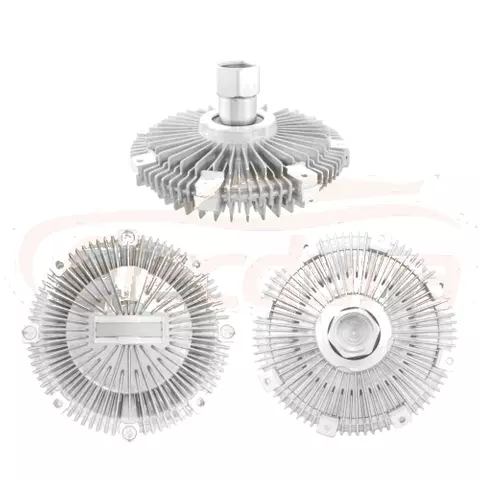
Fan clutch reference for electronic-control and mounting review.
The evidence package for use post-installation data to approve fleet stock should include the application, original markings, all relevant interfaces, observed operating behavior, and any correction completed before retesting. Evidence from use post-installation data to approve fleet stock helps a remote technical buyer understand why one replacement direction is acceptable and another remains unverified.
Record hot-idle engagement response.
Check clearance through the full fan path.
Inspect leaks or connector movement.
Archive the accepted sample and label.
Wholesalers can use the approved sample record to control labels, packaging, and repeat batch consistency across a repair network. Before the use post-installation data to approve fleet stock quotation is approved, assign a clear status—accepted for the named application, pending more evidence, or rejected. The use post-installation data to approve fleet stock release gate protects the fleet from an urgent substitution and gives the importer a stable specification for repeat supply.
At the end of this use post-installation data to approve fleet stock module, compare technical fit, operating risk, packaging continuity, lead time, and claim evidence as separate decision factors. Within use post-installation data to approve fleet stock, a lower unit price does not offset a mismatch that creates a second service visit or an unusable warehouse batch.
A refuse truck returns from electrical work with the fan fully engaged from startup. Coolant temperature is normal, but noise and fuel consumption increase. The clutch is electronically controlled and designed to fail engaged when the control signal is missing. A connector pin was pushed back during the earlier harness repair, so the controller command never reached the clutch even though the mechanical assembly remained functional.
A reliable closeout requires more than reseating the terminal. Check pin tension, support the harness, clear the fault, verify command and feedback through a complete heat cycle, and record the restored fail-safe response. The purchasing team can keep the existing clutch in service and use the incident to improve connector inspection on future fan-clutch replacements instead of authorizing an unnecessary unit.
Control command and feedback before repair
Connector terminal retention
Fail-engaged behavior confirmation
Hot-idle fan response after repair
Field Scenario: The Fan Roars Constantly After Harness Repair changes the fan clutch control purchase decision because the failure evidence identifies which conditions must be corrected and which product characteristics must be preserved. The fan clutch control replacement file should contain the measured result, repaired system condition, accepted sample, and a specific rule for future orders.
Air and electronic fan clutches solve the same airflow problem through different control paths. Diagnosis becomes faster when the technician first identifies the architecture, then proves the command, the clutch response, and the surrounding cooling demand. Buyers gain a defensible specification by combining that evidence with hub measurements and application references. For unresolved fitment questions, Elecdurauto fan clutch application support can review the photographs, OE/reference numbers, and planned quantity for an aftermarket quotation.
A complete fan clutch control inquiry should state the original reference, engine or equipment model, electrical and mechanical interfaces, diagnosed failure mode, required quantity, packaging expectations, and repeat-order forecast. The fan clutch control data set turns control architecture, engagement evidence, and cooling-system fitment into an actionable commercial specification rather than a generic search request.
Original fan clutch control markings and all-side photographs
Vehicle, engine, machine, and operating-duty information
Measured diagnostic results and corrections already completed
Quantity, delivery market, packaging, label, and repeat-order requirements
The fan clutch control procurement data sheet should identify the buyer, destination market, vehicle or machine platform, original references, required quantity, planned reorder frequency, and the technical evidence already collected. A fan clutch control procurement quotation is easier to compare when every supplier answers the same fitment and commercial fields instead of interpreting a short keyword request differently.
For fan clutch control procurement, separate mandatory fitment gates from preferences such as packaging style or delivery timing. The fan clutch control procurement team should mark every unanswered mandatory field as pending, attach photographs at useful angles, and keep the old unit available until the sample is accepted. The fan clutch control procurement written data sheet then becomes the basis for receiving inspection and later investigation of a changed batch.
Readable original markings and reference information for fan clutch control procurement
Vehicle, engine, equipment, operating environment, and diagnosed complaint
Measured electrical, mechanical, thermal, fluid, or airflow checks required by the category
Quantity, destination, packaging, label, lead-time, and repeat-supply expectations
Release the fan clutch control procurement request only when the technical owner and buyer agree on the same application and supply type. For fan clutch control procurement, record whether the proposed item is aftermarket, remanufactured, genuine, or another verified category, and avoid converting an OE reference into an unsupported origin claim.