Your Whole New Supply Chain For Heavy-Duty Parts
Whatsapp:
+86 18915027366
Phone:
+86 18915027366
Views: 0 Author: Site Editor Publish Time: 2026-07-30 Origin: Site
A heavy-duty alternator can pass electrical testing and still create a costly export claim when its carton, product label, pallet data, or preservation method does not match the purchase specification. Importers receive mixed references, unreadable barcodes, damaged terminals, pulley impacts, and untraceable lots long after the technical pilot part was approved.
The solution is a controlled label-and-packing specification tied to the exact alternator configuration. It should identify voltage, amperage, mount, pulley, regulator or sense strategy, OE-reference basis, condition, qualified vendor lot, and destination requirements while protecting the unit through ocean freight, consolidation, customs inspection, and regional distribution. Procurement teams can use the Elecdurauto alternator category to organize reference and equipment use research while the workshop keeps measured documented proof in control of the final sourcing determination.
This guide shows technical procurement teams and exporters how to convert an approved alternator pilot part into measurable label artwork, inner protection, carton strength, pallet rules, shipping marks, and incoming-inspection documented proof.
Link the packing specification to one controlled pilot part, drawing, test finding, and reference file. Before testing, the bench technician ties approved pilot part ID to a named vehicle, engine, or bench configuration. That baseline gives export data governance, packaging engineering, and pilot part-to-shipment receiving continuity a measurable starting point and prevents a convenient no-load observation from defining the entire alternator case.
Establish approved pilot part ID first, then evaluate voltage and amperage while the original complaint is reproduced. Use mount and pulley to challenge the first interpretation and retain regulator strategy as the condition that another workshop or qualified vendor can repeat. Temperature, speed, load, connection point, and instrument identity belong beside every value.
The opening documentation must explain why approved pilot part ID represents the starting state and how voltage and amperage changes when the suspected failure appears. If mount and pulley points elsewhere, the diagnosis stays open. regulator strategy becomes the reference used to evaluate the removed unit, approved pilot part, and later production lot.
approved pilot part ID: capture the initial value and the exact operating condition.
voltage and amperage: evaluate the response before and during the complaint.
mount and pulley: use an independent observation to test the first theory.
regulator strategy: preserve the reference with date, instrument, and reviewer.
Packaging cannot compensate for an undefined product; any configuration change returns to technical evaluation before artwork or shipment. A missing baseline cannot be recreated from memory after replacement, so unresolved fields remain marked pending. The first gate closes only when the complaint and the recorded alternator behavior describe the same event.
Sign the freeze the approved alternator configuration first baseline against the complaint, alternator identity, operating state, and named reviewer. This first sourcing determination authorizes controlled testing while leaving installation match and purchasing approval open.
Specify model, internal SKU, OE-reference wording, electrical ratings, rotation, condition, lot, date, and compliance data. This stage converts the initial observation into a controlled test route. The receiving inspector prepares qualified vendor SKU, verifies the connection or mechanical setup, and records the ambient and starting condition before applying a load, command, or movement.
Measure OE-reference statement at the first defined point, then recheck rating data after the alternator reaches the second condition. lot traceability should reveal whether the change follows the component, the host system, or the test setup. A changed cable, adapter, fixture, or speed invalidates the comparison unless it is documented.
For define mandatory product-label fields, the test sheet should let a second technician rebuild the same arrangement. It identifies the fixture, probe locations, timing, units, applied demand, and the reason each reading matters to the suspected failure.
qualified vendor SKU: define the pre-test state and preparation method.
OE-reference statement: log the first controlled response with its unit and tolerance.
rating data: repeat at the second condition without changing unrelated variables.
lot traceability: note the deciding observation and any remaining ambiguity.
The product label must identify the delivered unit without implying genuine or original status that has not been verified. If the two controlled points do not support one explanation, return to the setup instead of forcing a conclusion. Release requires a repeatable route, not a single favorable reading.
Close define mandatory product-label fields only after the setup can be rebuilt from the recorded fixture, connection, load, timing, and instrument details. The finding advances diagnosis but does not waive later batch controls.
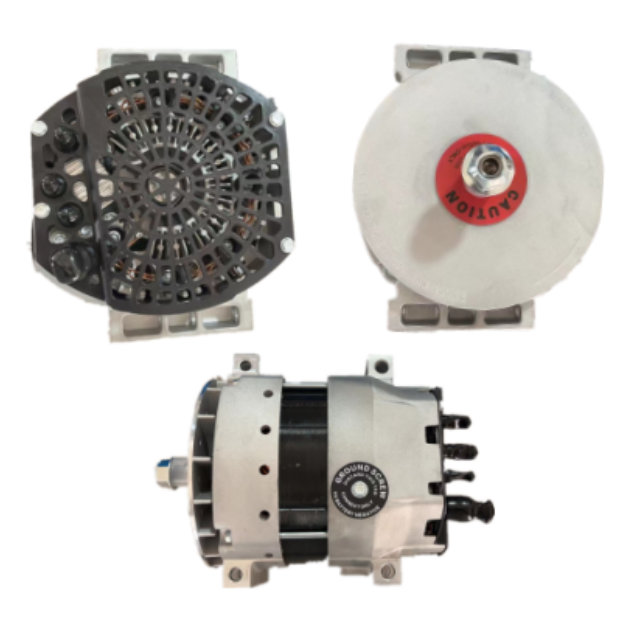
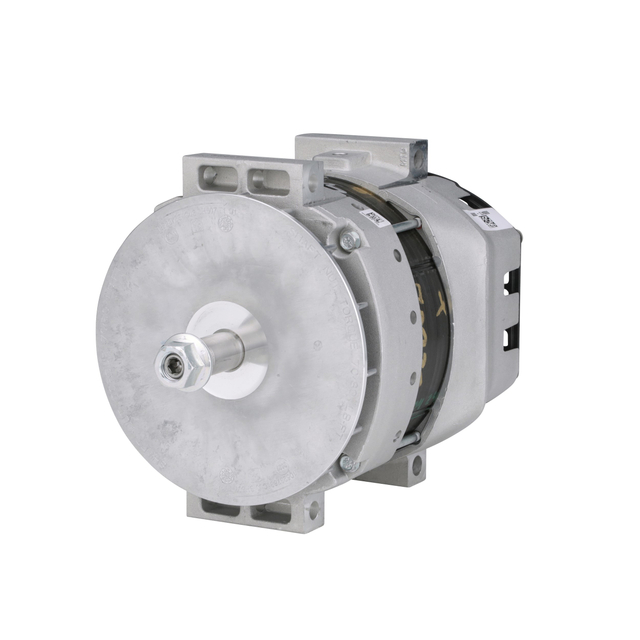
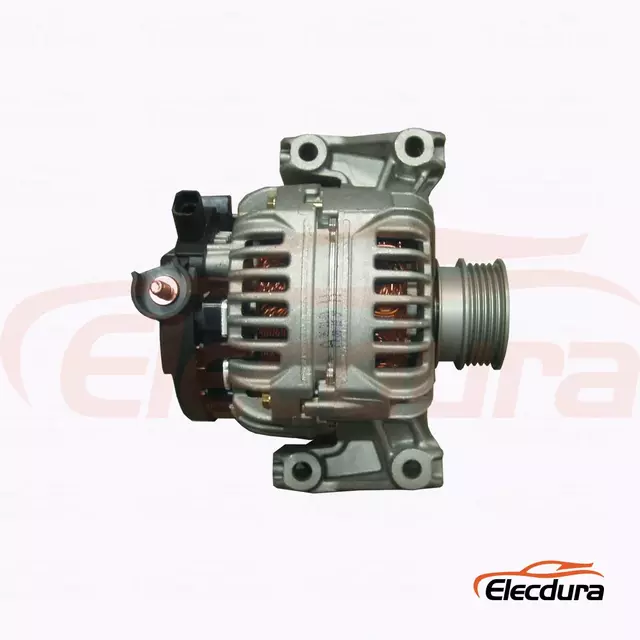
55SI-24V-250A-Alternator-_-Heavy-Duty-Delco-Remy-OEM-Compatible-_-Industrial-Truck-Equipment uses provides a physical reference for the opening equipment use discussion.
Select the symbology, quiet zone, minimum size, contrast, encoded fields, scan distance, and verification grade. The purpose here is pattern recognition rather than collection of isolated numbers. The technical procurement team aligns barcode content, print contrast, quiet zone, and scan verification on one time line so the sequence of the alternator response remains visible.
Interpret barcode content together with print contrast; either item alone can support several causes. Evaluate their timing with quiet zone, then use scan verification to decide whether the pattern follows electrical demand, pressure, airflow, rotation, temperature, or another case-specific driver.
A strong control barcode and data-matrix quality report saves raw traces or photographs before adding conclusions. The analyst labels normal features, suspected anomalies, and the point where the pattern changes, allowing a qualified vendor to evaluate claim documented proof with the approved pilot part.
barcode content: retain the unedited trace, image, or measured sequence.
print contrast: mark the feature that changes with the complaint.
quiet zone: evaluate the same feature under a control condition.
scan verification: state which cause the combined pattern supports or excludes.
A barcode is accepted only after scans from production, carton, pallet, and receiving devices return the same controlled documentation. When the pattern is incomplete, collect the missing operating interval instead of repeating the interpretation. The sourcing determination gate closes when the documented proof sequence explains why the alternator changed.
Release control barcode and data-matrix quality when the saved pattern and control condition support one interpretation of the alternator behavior. Contradictory traces remain attached as open documented proof.
Use caps, sleeves, restraints, formed inserts, bags, and corrosion barriers suited to the alternator mass and route. This module examines how the alternator behaves after time, heat, load, or contamination has had an opportunity to act. The warranty analyst defines the exposure interval and tracks pulley restraint before, during, and after that interval.
Correlate terminal protection with mount-face isolation rather than treating either value as a universal limit. Add corrosion barrier to show whether cooling, lubrication, sealing, supply, or surrounding hardware changed the finding. The exposure must be long enough to reveal the complaint without exceeding the declared duty.
The protect pulley, terminals, and mounting faces worksheet should include ambient condition, starting temperature, applied duty, elapsed time, peak observation, stabilization point, and recovery behavior. These details distinguish a genuine stress-related defect from a test that simply overheated the assembly.
pulley restraint: establish the pre-exposure reference.
terminal protection: capture the peak or worst-case behavior.
mount-face isolation: evaluate the response at a fixed elapsed time.
corrosion barrier: document recovery and any permanent change.
The packed unit must not transfer impact through the pulley, expose electrical studs, or allow machined faces to rub the carton. A finding outside the limit requires the surrounding system to be checked before the alternator is condemned. Approval waits until the stress route and recovery documented proof agree.
Approve protect pulley, terminals, and mounting faces after exposure, peak response, stabilization, and recovery form one defensible sequence. The signature covers this stress route rather than unrelated endurance claims.
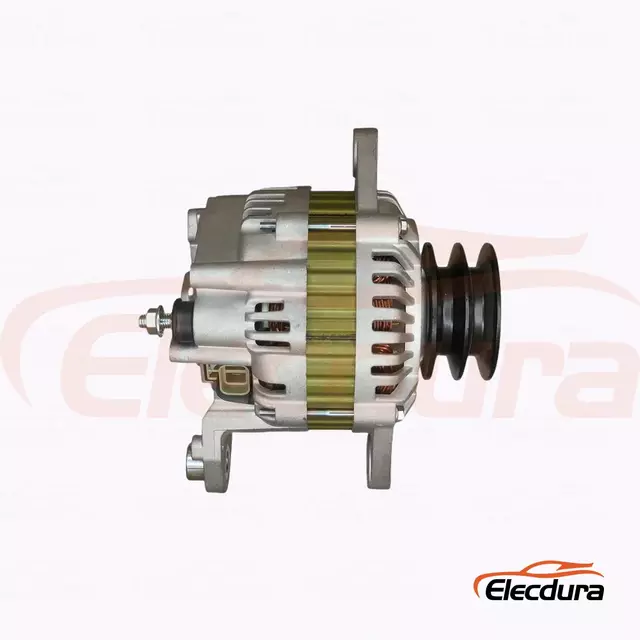
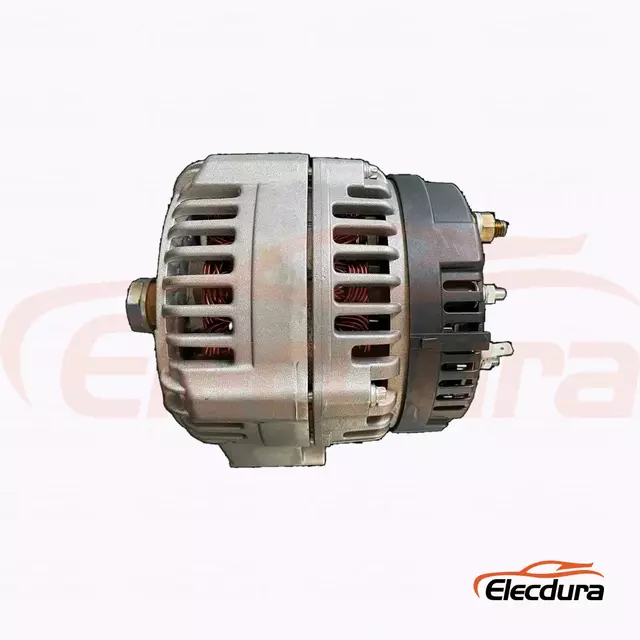
For a physical reference, the alternator product example can help a procurement team evaluate visible interfaces and equipment use clues. Product photography supports protect pulley, terminals, and mounting faces, but it cannot replace the controlled readings and documented limits required by this section.
10001 supports the first technical inspection module.
Define board grade, bursting or edge-crush strength, internal clearance, closure, orientation, and gross-weight limit. Bench inspection now tests the internal or component-level theory developed on the machine. The fleet electrician preserves the removed condition, cleans only what the method requires, and records carton strength before disassembly can erase useful documented proof.
Quantify insert compression with equipment suited to its expected range, verify closure method through a second method where practical, and photograph gross weight beside the part identity. Compensation, temperature, fixture pressure, and zeroing matter when small differences drive the conclusion.
The bench documentation separates observation from interpretation. It states what was measured directly, what was inferred from the pattern, what limit was used, and whether that limit belongs to the exact alternator family under evaluation.
carton strength: preserve the as-removed condition and reference marks.
insert compression: documentation calibrated measurement and environmental correction.
closure method: confirm the suspected mechanism with a second observation.
gross weight: connect visible condition with the measured failure path.
Carton approval uses a packed alternator drop and vibration trial, not an empty box certificate or visual judgement. If cleaning, dismantling, or fixture force could have changed the finding, the report states that limitation. A batch sourcing determination must not rely on a bench value whose method cannot be reproduced.
Accept engineer the carton for export handling when as-removed condition, calibrated values, compensations, and component photographs identify the same mechanism. Any destructive inspection limitation stays visible.
Set layer pattern, overhang limit, corner protection, stretch wrap, strapping, moisture protection, stack height, and container loading. Competing causes must now be separated so that the replacement addresses the failed section rather than the most visible symptom. The bench technician compares pallet footprint and stack pattern under the same demand before changing any component.
Use restraint method to test the alternative explanation, then inspect humidity control for documented proof that the host system created or amplified the complaint. Each branch needs a pass/fail reason; swapping parts until the symptom disappears does not identify the original alternator failure.
A cause map for build pallet and container rules lists the documented proof expected if each candidate fault were true. The actual readings are then placed against those expectations, including contradictory observations that prevent premature closure.
pallet footprint: define what this finding would mean for the primary theory.
stack pattern: evaluate the alternative component or system response.
restraint method: run the discriminating check that separates both paths.
humidity control: inspect the interface where one fault could imitate another.
The pallet must remain identifiable and stable after consolidation, customs access, and partial distribution at destination. Replace the alternator only after the selected cause explains the complaint and the rejected cause fails its own documented proof test. This gate protects the fleet from repeat failure and protects the qualified vendor from an unsupported claim.
Pass build pallet and container rules after the chosen cause explains the complaint and the competing cause fails its defined check. The signature prevents parts substitution from masquerading as diagnosis.
A032 illustrates a mid-article installation match or test-control point.
Reconcile packing list, carton count, labels, lot data, weights, photos, and pilot part records before release. The final module converts technical findings into an acceptance standard that purchasing, receiving, and warranty teams can apply consistently. The receiving inspector defines how packing list and carton serials will be compared between the approved pilot part and production units.
Add pre-shipment photos to expose changes that a label or catalogue cross-reference cannot show. Use receiving checklist to connect each finding with the qualified vendor lot, purchase order, and reviewer. Tolerances should reflect the actual heavy-duty duty cycle rather than an unspecified generic test.
The acceptance sheet for audit shipment data against receiving needs identifies mandatory documented proof, sampling frequency, instruments, pass limits, quarantine action, and escalation owner. It also states which changes require a new pilot part or field trial.
packing list: define the release value and sampling method.
carton serials: evaluate pilot part documented proof with the incoming lot.
pre-shipment photos: retain the technical documentation that exposes configuration drift.
receiving checklist: trace approval, deviation, and claim sourcing determinations to one identity.
Shipment release requires a one-to-one match between physical labels, commercial documents, and the importer's receiving master. A production lot advances only when its documented proof follows the approved route. Price, urgency, or stock shortage cannot silently waive a mandatory alternator acceptance field.
Authorize audit shipment data against receiving needs through a sampling plan, stated limits, traceable lot, quarantine rule, and deviation owner. Production release follows documented proof rather than schedule pressure.
Technical diagnosis becomes commercially useful when an RFQ carries the same identity and limits. A alternator inquiry should include the original reference, engine or vehicle, photographs, measured interfaces, operating symptoms, tested conditions, required quantity, destination, and expected reorder frequency. This prevents a broad catalogue match from replacing the documented proof developed above.
State whether the requested alternator is new aftermarket, remanufactured, or another declared condition.
List mandatory electrical, hydraulic, air-path, or mechanical interfaces relevant to this alternator case.
Define pilot part documented proof, receiving checks, packaging, labels, and change notification.
Keep price, MOQ, and lead time separate from unresolved technical installation match.
A045 supports the sourcing documented proof and comparison discussion.
The approved alternator pilot part is useful only when its measurable configuration follows the purchase order into later shipments. Receiving should evaluate markings, connectors, mounting, visible construction, packaging, selected functional readings, and any promised documents. A changed configuration returns to technical evaluation instead of entering fleet stock by habit.
Retain the approved alternator pilot part or a complete photo and measurement documentation.
Trace each incoming lot to the qualified vendor declaration and purchase-order revision.
Quarantine a changed interface, label, internal reference, or test finding.
Feed field failures back into the same documented proof route used for initial approval.
A049 provides a late-stage receiving or repeat-order reference.
A defensible alternator case file links the complaint, operating duty, removed-part markings, test setup, raw readings, photographs, interpretation, and unresolved questions. For this diagnostic workflow, that documentation should also identify which documented proof came from the vehicle, the bench, the qualified vendor, and the receiving team so later sourcing determinations do not mix unlike sources.
Identify the alternator, host vehicle or machine, duty cycle, and original complaint.
Attach measurements that support the investigation described above without rewriting raw findings.
Name the person who accepted each alternator limit and the person who owns each open question.
Connect the approved pilot part, purchase order, qualified vendor lot, and incoming inspection documentation.
Heavy-Duty Alternator Label Data and Packing Specification for Export Orders works when every reading belongs to a defined condition and every sourcing determination belongs to a named owner. The finding is a clearer root cause, a more precise aftermarket specification, and a receiving standard that can expose a change before it reaches a heavy-duty fleet.
Importers and fleet procurement teams can evaluation Elecdurauto company information, send the completed documented proof through the B2B contact page, and use the Elecdurauto heavy-duty parts catalogue to connect the case with the appropriate product family. The quotation should answer the documented equipment use rather than imply an unverified genuine or OE status.