ELECDURA NETWORK

Your Whole New Supply Chain For Heavy-Duty Parts
Whatsapp:
+86 18915027366
Phone:
+86 18915027366
Views: 0 Author: Site Editor Publish Time: 2026-07-29 Origin: Site
A diesel engine that loses power under load may have a restricted fuel filter, but the service decision is more complicated when the housing includes a bypass valve or when cold fuel, water, tank contamination, suction leaks, and a weak lift pump produce similar symptoms. A bypass can preserve short-term flow while allowing unfiltered fuel downstream, so “the engine still runs” is not proof that filtration is healthy.
Fleet and distributor teams can use the Elecdurauto fuel filter category as a sourcing reference while technicians document pressure, service interval, fuel condition, and housing design. The aim is to protect pumps and injectors without creating avoidable restriction or replacing filters that are reporting a larger storage problem.
This guide explains how to test restriction, identify bypass risk, inspect contamination, and convert the result into a filter specification for repeat B2B orders.
Identify whether the filter, head, or system includes a bypass and under which differential-pressure condition it opens. For fuel filter restriction diagnosis, clear acceptance evidence also makes later batch inspection faster because the approved features are already defined.
Review service information and inspect the housing rather than assuming every spin-on filter contains the same protection strategy. During understand what the bypass valve is designed to protect, the technician should identify the test condition, the instrument or visual evidence used, and the point at which the result changes the repair decision. The understand what the bypass valve is designed to protect record stays tied to a repeatable heavy-duty procedure rather than a one-time impression.
The evidence package for understand what the bypass valve is designed to protect should include the application, original markings, all relevant interfaces, observed operating behavior, and any correction completed before retesting. Evidence from understand what the bypass valve is designed to protect helps a remote technical buyer understand why one replacement direction is acceptable and another remains unverified.
Locate the bypass component.
Confirm opening logic from service data.
Identify primary and secondary stages.
Record sensor and warning arrangements.
Purchasing must preserve the intended filtration sequence because a different bypass setting can change downstream contamination risk. Before the understand what the bypass valve is designed to protect quotation is approved, assign a clear status—accepted for the named application, pending more evidence, or rejected. The understand what the bypass valve is designed to protect release gate protects the fleet from an urgent substitution and gives the importer a stable specification for repeat supply.
At the end of this understand what the bypass valve is designed to protect module, compare technical fit, operating risk, packaging continuity, lead time, and claim evidence as separate decision factors. Within understand what the bypass valve is designed to protect, a lower unit price does not offset a mismatch that creates a second service visit or an unusable warehouse batch.
Restriction changes with fuel flow, temperature, filter loading, tank level, and engine demand. For fuel filter restriction diagnosis, the workshop should preserve photographs and readings so a warranty discussion does not begin with missing facts.
Measure vacuum or differential pressure at idle and controlled load, compare pre-filter and post-filter readings, and note whether the complaint appears after sustained work. During measure restriction at the correct operating condition, the technician should identify the test condition, the instrument or visual evidence used, and the point at which the result changes the repair decision. The measure restriction at the correct operating condition record stays tied to a repeatable heavy-duty procedure rather than a one-time impression.
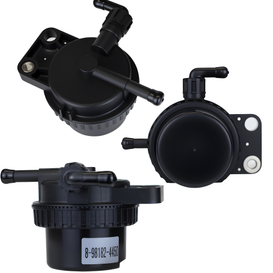
Heavy-duty filter reference used for differential-pressure and bypass review.
The evidence package for measure restriction at the correct operating condition should include the application, original markings, all relevant interfaces, observed operating behavior, and any correction completed before retesting. Evidence from measure restriction at the correct operating condition helps a remote technical buyer understand why one replacement direction is acceptable and another remains unverified.
Use suitable pressure instruments.
Record fuel temperature.
Test under the complaint load.
Compare readings before and after service.
The result helps buyers distinguish a filter-capacity issue from a generic no-power complaint. Before the measure restriction at the correct operating condition quotation is approved, assign a clear status—accepted for the named application, pending more evidence, or rejected. The measure restriction at the correct operating condition release gate protects the fleet from an urgent substitution and gives the importer a stable specification for repeat supply.
At the end of this measure restriction at the correct operating condition module, compare technical fit, operating risk, packaging continuity, lead time, and claim evidence as separate decision factors. Within measure restriction at the correct operating condition, a lower unit price does not offset a mismatch that creates a second service visit or an unusable warehouse batch.
Water, rust, microbial growth, sediment, deteriorated hoses, and dirty transfer equipment can plug a new filter quickly. For fuel filter restriction diagnosis, this checkpoint prevents a plausible reference from bypassing the evidence required for a heavy-duty application.
Open the removed filter where procedure allows, sample tank fuel, inspect storage and refueling points, and group incidents by supplier, location, or asset. During inspect fuel, tank, and transfer practices for repeated loading, the technician should identify the test condition, the instrument or visual evidence used, and the point at which the result changes the repair decision. The inspect fuel, tank, and transfer practices for repeated loading record stays tied to a repeatable heavy-duty procedure rather than a one-time impression.
The evidence package for inspect fuel, tank, and transfer practices for repeated loading should include the application, original markings, all relevant interfaces, observed operating behavior, and any correction completed before retesting. Evidence from inspect fuel, tank, and transfer practices for repeated loading helps a remote technical buyer understand why one replacement direction is acceptable and another remains unverified.
Retain a fuel sample.
Photograph filter debris.
Inspect bulk storage and transfer equipment.
Track repeat cases by route and fuel source.
A distributor should not change brands repeatedly when the evidence points to upstream contamination. Before the inspect fuel, tank, and transfer practices for repeated loading quotation is approved, assign a clear status—accepted for the named application, pending more evidence, or rejected. The inspect fuel, tank, and transfer practices for repeated loading release gate protects the fleet from an urgent substitution and gives the importer a stable specification for repeat supply.
At the end of this inspect fuel, tank, and transfer practices for repeated loading module, compare technical fit, operating risk, packaging continuity, lead time, and claim evidence as separate decision factors. Within inspect fuel, tank, and transfer practices for repeated loading, a lower unit price does not offset a mismatch that creates a second service visit or an unusable warehouse batch.
Low temperature, waxing, high biodiesel content, or unsuitable fuel can raise restriction even when the filter is not heavily contaminated. For fuel filter restriction diagnosis, the result should be written into the job record before the vehicle, machine, or removed part leaves the workshop.
Compare ambient temperature, fuel specification, heater operation, water content, and the timing of the symptom. During account for cold flow, viscosity, and alternative fuels, the technician should identify the test condition, the instrument or visual evidence used, and the point at which the result changes the repair decision. The account for cold flow, viscosity, and alternative fuels record stays tied to a repeatable heavy-duty procedure rather than a one-time impression.
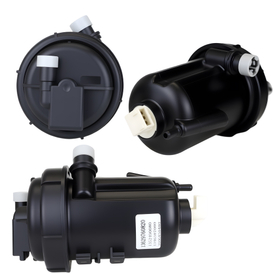
Diesel filter example showing a compact reference with application-specific fitment.
The evidence package for account for cold flow, viscosity, and alternative fuels should include the application, original markings, all relevant interfaces, observed operating behavior, and any correction completed before retesting. Evidence from account for cold flow, viscosity, and alternative fuels helps a remote technical buyer understand why one replacement direction is acceptable and another remains unverified.
Record minimum operating temperature.
Verify heater function.
Check seasonal fuel specification.
Review biodiesel compatibility.
The fleet service plan may need seasonal filtration and fuel-handling controls rather than a permanently coarser element. Before the account for cold flow, viscosity, and alternative fuels quotation is approved, assign a clear status—accepted for the named application, pending more evidence, or rejected. The account for cold flow, viscosity, and alternative fuels release gate protects the fleet from an urgent substitution and gives the importer a stable specification for repeat supply.
At the end of this account for cold flow, viscosity, and alternative fuels module, compare technical fit, operating risk, packaging continuity, lead time, and claim evidence as separate decision factors. Within account for cold flow, viscosity, and alternative fuels, a lower unit price does not offset a mismatch that creates a second service visit or an unusable warehouse batch.
Micron description alone cannot confirm thread, seal, flow, water separation, sensor ports, drain arrangement, and pressure capacity. For fuel filter restriction diagnosis, a measured finding gives procurement a stronger basis than appearance, memory, or a broad catalogue description.
Compare references such as the A6510901552 fuel filter reference, KV61-9155-AH fuel filter cartridge, and FF63054NN fuel filter against the exact engine and housing. During match filtration function, fitment, and water control, the technician should identify the test condition, the instrument or visual evidence used, and the point at which the result changes the repair decision. The match filtration function, fitment, and water control record stays tied to a repeatable heavy-duty procedure rather than a one-time impression.
The evidence package for match filtration function, fitment, and water control should include the application, original markings, all relevant interfaces, observed operating behavior, and any correction completed before retesting. Evidence from match filtration function, fitment, and water control helps a remote technical buyer understand why one replacement direction is acceptable and another remains unverified.
Confirm filter stage and function.
Match threads and seals.
Verify drains and sensors.
Record the engine application.
Describe the offered item as an aftermarket replacement for OE-number matching unless genuine status is verified. Before the match filtration function, fitment, and water control quotation is approved, assign a clear status—accepted for the named application, pending more evidence, or rejected. The match filtration function, fitment, and water control release gate protects the fleet from an urgent substitution and gives the importer a stable specification for repeat supply.
At the end of this match filtration function, fitment, and water control module, compare technical fit, operating risk, packaging continuity, lead time, and claim evidence as separate decision factors. Within match filtration function, fitment, and water control, a lower unit price does not offset a mismatch that creates a second service visit or an unusable warehouse batch.
A reliable interval combines pressure evidence, contamination history, fuel source, season, route, and engine platform. For fuel filter restriction diagnosis, that distinction matters when a fleet has repeated downtime and the distributor must separate fitment from system condition.
Trend removed-filter condition and emergency changes, then classify high-risk applications separately from normal fleet service. During use restriction records to plan stock and service intervals, the technician should identify the test condition, the instrument or visual evidence used, and the point at which the result changes the repair decision. The use restriction records to plan stock and service intervals record stays tied to a repeatable heavy-duty procedure rather than a one-time impression.
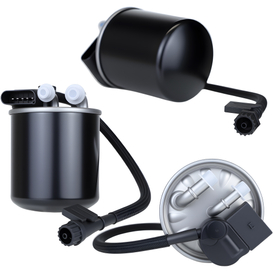
OE-reference filter used to explain seal, flow, and batch checks.
The evidence package for use restriction records to plan stock and service intervals should include the application, original markings, all relevant interfaces, observed operating behavior, and any correction completed before retesting. Evidence from use restriction records to plan stock and service intervals helps a remote technical buyer understand why one replacement direction is acceptable and another remains unverified.
Track hours or distance.
Record measured restriction.
Segment severe-duty assets.
Forecast replacement demand by application.
Importers can stock the right references and quantities when workshop evidence is connected to purchase history. Before the use restriction records to plan stock and service intervals quotation is approved, assign a clear status—accepted for the named application, pending more evidence, or rejected. The use restriction records to plan stock and service intervals release gate protects the fleet from an urgent substitution and gives the importer a stable specification for repeat supply.
At the end of this use restriction records to plan stock and service intervals module, compare technical fit, operating risk, packaging continuity, lead time, and claim evidence as separate decision factors. Within use restriction records to plan stock and service intervals, a lower unit price does not offset a mismatch that creates a second service visit or an unusable warehouse batch.
A construction fleet changes filters at the normal interval until several machines refuel from the same mobile tank. Within one day, power loss and high suction restriction appear across different engine platforms. Removed elements show similar sediment and water. The common event is the transfer source, not a sudden quality change across multiple filter references.
The fleet should quarantine the fuel source, sample the tank, inspect transfer hoses and filtration, drain water where procedure allows, and document each affected machine. Replacement filters remain necessary, but the purchasing response should include enough stock for the contamination event and a plan to prevent recurrence. Changing to a coarser element would hide the symptom while exposing pumps and injectors.
Common refueling source and time
Fuel sample and removed-filter debris
Measured restriction after clean fuel
Corrective action at storage and transfer equipment
Field Scenario: New Filters Plug After One Desert Refueling Stop changes the fuel filter restriction diagnosis purchase decision because the failure evidence identifies which conditions must be corrected and which product characteristics must be preserved. The fuel filter restriction diagnosis replacement file should contain the measured result, repaired system condition, accepted sample, and a specific rule for future orders.
Fuel filter restriction is a system condition, not merely a maintenance date. Heavy-duty fleets make better decisions when they understand bypass behavior, test differential pressure under load, investigate repeated contamination, and account for cold-flow effects. Buyers can then match filtration function and physical fitment with a clear aftermarket position. For difficult references or bulk programs, Elecdurauto fuel filter sourcing support can review application evidence and volume requirements.
A complete fuel filter restriction diagnosis inquiry should state the original reference, engine or equipment model, electrical and mechanical interfaces, diagnosed failure mode, required quantity, packaging expectations, and repeat-order forecast. The fuel filter restriction diagnosis data set turns differential pressure, bypass logic, contamination, and service planning into an actionable commercial specification rather than a generic search request.
Original fuel filter restriction diagnosis markings and all-side photographs
Vehicle, engine, machine, and operating-duty information
Measured diagnostic results and corrections already completed
Quantity, delivery market, packaging, label, and repeat-order requirements
The fuel filter restriction diagnosis procurement data sheet should identify the buyer, destination market, vehicle or machine platform, original references, required quantity, planned reorder frequency, and the technical evidence already collected. A fuel filter restriction diagnosis procurement quotation is easier to compare when every supplier answers the same fitment and commercial fields instead of interpreting a short keyword request differently.
For fuel filter restriction diagnosis procurement, separate mandatory fitment gates from preferences such as packaging style or delivery timing. The fuel filter restriction diagnosis procurement team should mark every unanswered mandatory field as pending, attach photographs at useful angles, and keep the old unit available until the sample is accepted. The fuel filter restriction diagnosis procurement written data sheet then becomes the basis for receiving inspection and later investigation of a changed batch.
Readable original markings and reference information for fuel filter restriction diagnosis procurement
Vehicle, engine, equipment, operating environment, and diagnosed complaint
Measured electrical, mechanical, thermal, fluid, or airflow checks required by the category
Quantity, destination, packaging, label, lead-time, and repeat-supply expectations
Release the fuel filter restriction diagnosis procurement request only when the technical owner and buyer agree on the same application and supply type. For fuel filter restriction diagnosis procurement, record whether the proposed item is aftermarket, remanufactured, genuine, or another verified category, and avoid converting an OE reference into an unsupported origin claim.