ELECDURA NETWORK

Your Whole New Supply Chain For Heavy-Duty Parts
Whatsapp:
+86 18915027366
Phone:
+86 18915027366
Views: 0 Author: Site Editor Publish Time: 2026-07-23 Origin: Site
Blower Motor Resistor Testing Guide for Heavy-Duty Truck HVAC Systems addresses the point where a maintenance decision becomes a purchasing decision. In commercial truck HVAC diagnosis, a reference number may help identify a starting point, but it cannot replace evidence from the installed part, the engine or vehicle application, and the operating duty. The practical goal is to reduce repeat work, protect uptime, and give fleet, workshop, and distributor teams a record they can use for the next order.
Elecdurauto positions its support around clear aftermarket and OE-reference matching rather than unsupported genuine-brand claims. Buyers can begin with the 24V blower motor resistor replacement and then use the information below to build a fitment and sourcing file that reflects speed-step diagnosis, connector heat, and circuit-load verification.
The article is deliberately written for commercial vehicles, diesel equipment, fleet maintenance, repair networks, importers, and distributors. It does not assume that a light-vehicle repair rule or a consumer catalogue result is enough for a heavy-duty replacement decision.
heavy-duty blower motor resistor decisions should identify whether the blower has lost one speed, all speeds, or only the highest setting before testing components. This is not paperwork for its own sake: the details establish whether the item can be installed, whether it will perform in the intended duty cycle, and whether the supplier can support the same specification when stock is reordered. Speed behaviour narrows the fault path and prevents a resistor from being blamed for a failed motor, switch, relay, or ground.
For map the driver complaint to a specific blower-speed pattern, a useful record brings together the removed-part markings, the equipment platform, measured interfaces, operating symptoms or demand profile, and photographs taken before the component leaves the vehicle. That combination is stronger than a broad web search because it makes the technical question visible to every person who will quote, receive, install, or support the order.
Document which speed positions operate before removing the resistor. Apply this at control point 1 while the team works through identify whether the blower has lost one speed, all speeds, or only the highest setting before testing components.
Measure blower current when the system is at high speed. Apply this at control point 2 while the team works through identify whether the blower has lost one speed, all speeds, or only the highest setting before testing components.
Inspect the harness-side connector for heat damage and terminal tension. Apply this at control point 3 while the team works through identify whether the blower has lost one speed, all speeds, or only the highest setting before testing components.
Match pin layout and mounting arrangement to the removed component. Apply this at control point 4 while the team works through identify whether the blower has lost one speed, all speeds, or only the highest setting before testing components.
For map the driver complaint to a specific blower-speed pattern, the team should document the result in the technical file before moving to quotation. This separates an evidence-backed replacement decision from a loose reference-number substitution.
Once the map the driver complaint to a specific blower-speed pattern checks are complete, the buyer can compare quotations on a like-for-like basis. Price then becomes one part of an informed decision alongside technical fit, quality controls, packaging continuity, delivery reliability, and the supplier's ability to answer a specific application question without turning a reference system into an unverified claim.
At this point, the decision team should write a short acceptance note for map the driver complaint to a specific blower-speed pattern: what was checked, which result was acceptable, what evidence is retained, and who owns the next action. That note is useful when the vehicle returns months later, when a distributor has to replenish stock, or when a new buyer must understand why this heavy-duty blower motor resistor was approved. It also distinguishes a controlled aftermarket replacement decision from a loose catalogue substitution.
The map the driver complaint to a specific blower-speed pattern discipline supports better communication between workshop, purchasing, and supplier teams. Instead of asking whether a part is simply available, the inquiry can state the application, interfaces, operating conditions, sample status, and required delivery or packaging controls. This makes the quote easier to evaluate and reduces the chance that an urgent order is filled with an item that is only superficially similar to the approved component.
Close this part of the review by recording the observed condition and the evidence that still needs to be obtained. A deliberate hold can protect fleet uptime when a reference looks plausible but a key physical or operating detail remains unresolved.
heavy-duty blower motor resistor decisions should measure the circuit while the blower is commanded through the affected settings instead of relying on an unplugged visual check. This is not paperwork for its own sake: the details establish whether the item can be installed, whether it will perform in the intended duty cycle, and whether the supplier can support the same specification when stock is reordered. Heat and voltage loss often appear only when current is flowing through a connector, resistor pack, and blower motor together.
For test resistance and voltage drop under a real hvac load, a useful record brings together the removed-part markings, the equipment platform, measured interfaces, operating symptoms or demand profile, and photographs taken before the component leaves the vehicle. That combination is stronger than a broad web search because it makes the technical question visible to every person who will quote, receive, install, or support the order.
For test resistance and voltage drop under a real hvac load, the team should define what would prove a correct match and what would expose a false match. The evidence may be electrical, mechanical, thermal, hydraulic, fuel-system, or packaging related, but it must be traceable to the exact application. A clear evidence set also prevents a later warranty discussion from becoming a disagreement about an undocumented sample. When a part-specific question remains, use HVAC fitment support with the application details instead of relying on an unverified cross-reference.
Document which speed positions operate before removing the resistor. Apply this at control point 1 while the team works through measure the circuit while the blower is commanded through the affected settings instead of relying on an unplugged visual check.
Measure blower current when the system is at high speed. Apply this at control point 2 while the team works through measure the circuit while the blower is commanded through the affected settings instead of relying on an unplugged visual check.
Inspect the harness-side connector for heat damage and terminal tension. Apply this at control point 3 while the team works through measure the circuit while the blower is commanded through the affected settings instead of relying on an unplugged visual check.
Match pin layout and mounting arrangement to the removed component. Apply this at control point 4 while the team works through measure the circuit while the blower is commanded through the affected settings instead of relying on an unplugged visual check.
Once the test resistance and voltage drop under a real hvac load checks are complete, the buyer can compare quotations on a like-for-like basis. Price then becomes one part of an informed decision alongside technical fit, quality controls, packaging continuity, delivery reliability, and the supplier's ability to answer a specific application question without turning a reference system into an unverified claim.
At this point, the decision team should write a short acceptance note for test resistance and voltage drop under a real hvac load: what was checked, which result was acceptable, what evidence is retained, and who owns the next action. That note is useful when the vehicle returns months later, when a distributor has to replenish stock, or when a new buyer must understand why this heavy-duty blower motor resistor was approved. It also distinguishes a controlled aftermarket replacement decision from a loose catalogue substitution.
The test resistance and voltage drop under a real hvac load discipline supports better communication between workshop, purchasing, and supplier teams. Instead of asking whether a part is simply available, the inquiry can state the application, interfaces, operating conditions, sample status, and required delivery or packaging controls. This makes the quote easier to evaluate and reduces the chance that an urgent order is filled with an item that is only superficially similar to the approved component.
Use the result to assign one owner for the next check and one date for review. That small control prevents a technical question from being lost between the workshop diagnosis and the purchasing request.
heavy-duty blower motor resistor decisions should look for discoloration, loose terminals, water entry, blocked ducts, and a blower motor drawing abnormal current. This is not paperwork for its own sake: the details establish whether the item can be installed, whether it will perform in the intended duty cycle, and whether the supplier can support the same specification when stock is reordered. A replacement resistor can overheat again if restricted cooling air or excessive motor load remains in the system.
For inspect connector damage and airflow conditions around the module, a useful record brings together the removed-part markings, the equipment platform, measured interfaces, operating symptoms or demand profile, and photographs taken before the component leaves the vehicle. That combination is stronger than a broad web search because it makes the technical question visible to every person who will quote, receive, install, or support the order.
Document which speed positions operate before removing the resistor. Apply this at control point 1 while the team works through look for discoloration, loose terminals, water entry, blocked ducts, and a blower motor drawing abnormal current.
Measure blower current when the system is at high speed. Apply this at control point 2 while the team works through look for discoloration, loose terminals, water entry, blocked ducts, and a blower motor drawing abnormal current.
Inspect the harness-side connector for heat damage and terminal tension. Apply this at control point 3 while the team works through look for discoloration, loose terminals, water entry, blocked ducts, and a blower motor drawing abnormal current.
Match pin layout and mounting arrangement to the removed component. Apply this at control point 4 while the team works through look for discoloration, loose terminals, water entry, blocked ducts, and a blower motor drawing abnormal current.
For inspect connector damage and airflow conditions around the module, the team should document the result in the technical file before moving to quotation. This separates an evidence-backed replacement decision from a loose reference-number substitution.
Once the inspect connector damage and airflow conditions around the module checks are complete, the buyer can compare quotations on a like-for-like basis. Price then becomes one part of an informed decision alongside technical fit, quality controls, packaging continuity, delivery reliability, and the supplier's ability to answer a specific application question without turning a reference system into an unverified claim.
At this point, the decision team should write a short acceptance note for inspect connector damage and airflow conditions around the module: what was checked, which result was acceptable, what evidence is retained, and who owns the next action. That note is useful when the vehicle returns months later, when a distributor has to replenish stock, or when a new buyer must understand why this heavy-duty blower motor resistor was approved. It also distinguishes a controlled aftermarket replacement decision from a loose catalogue substitution.
The inspect connector damage and airflow conditions around the module discipline supports better communication between workshop, purchasing, and supplier teams. Instead of asking whether a part is simply available, the inquiry can state the application, interfaces, operating conditions, sample status, and required delivery or packaging controls. This makes the quote easier to evaluate and reduces the chance that an urgent order is filled with an item that is only superficially similar to the approved component.
Before moving forward, compare the proposed replacement against the approved-sample record rather than against memory. This is the point where a distributor can stop an avoidable catalogue or packaging variation from entering routine stock.
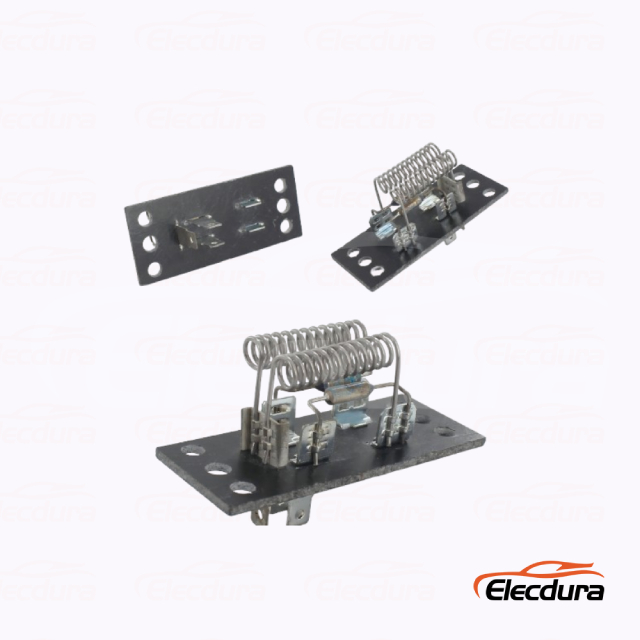
heavy-duty blower motor resistor decisions should match voltage, pin count, connector keying, mounting plate, resistor stages, and vehicle HVAC configuration. This is not paperwork for its own sake: the details establish whether the item can be installed, whether it will perform in the intended duty cycle, and whether the supplier can support the same specification when stock is reordered. Clear photos and terminal-side comparisons make the next stock order safer than a generic resistor search.
For specify the replacement for a repeatable distributor order, a useful record brings together the removed-part markings, the equipment platform, measured interfaces, operating symptoms or demand profile, and photographs taken before the component leaves the vehicle. That combination is stronger than a broad web search because it makes the technical question visible to every person who will quote, receive, install, or support the order.
Document which speed positions operate before removing the resistor. Apply this at control point 1 while the team works through match voltage, pin count, connector keying, mounting plate, resistor stages, and vehicle HVAC configuration.
Measure blower current when the system is at high speed. Apply this at control point 2 while the team works through match voltage, pin count, connector keying, mounting plate, resistor stages, and vehicle HVAC configuration.
Inspect the harness-side connector for heat damage and terminal tension. Apply this at control point 3 while the team works through match voltage, pin count, connector keying, mounting plate, resistor stages, and vehicle HVAC configuration.
Match pin layout and mounting arrangement to the removed component. Apply this at control point 4 while the team works through match voltage, pin count, connector keying, mounting plate, resistor stages, and vehicle HVAC configuration.
For specify the replacement for a repeatable distributor order, the team should document the result in the technical file before moving to quotation. This separates an evidence-backed replacement decision from a loose reference-number substitution.
Once the specify the replacement for a repeatable distributor order checks are complete, the buyer can compare quotations on a like-for-like basis. Price then becomes one part of an informed decision alongside technical fit, quality controls, packaging continuity, delivery reliability, and the supplier's ability to answer a specific application question without turning a reference system into an unverified claim.
At this point, the decision team should write a short acceptance note for specify the replacement for a repeatable distributor order: what was checked, which result was acceptable, what evidence is retained, and who owns the next action. That note is useful when the vehicle returns months later, when a distributor has to replenish stock, or when a new buyer must understand why this heavy-duty blower motor resistor was approved. It also distinguishes a controlled aftermarket replacement decision from a loose catalogue substitution.
The specify the replacement for a repeatable distributor order discipline supports better communication between workshop, purchasing, and supplier teams. Instead of asking whether a part is simply available, the inquiry can state the application, interfaces, operating conditions, sample status, and required delivery or packaging controls. This makes the quote easier to evaluate and reduces the chance that an urgent order is filled with an item that is only superficially similar to the approved component.
End the module with a release status that everybody can read: approved for the named application, pending further evidence, or rejected. Clear status language avoids a rushed order becoming an undocumented experiment.
The strongest replacement or sourcing result is not simply a component that arrives quickly. It is an approved item supported by application data, inspection evidence, measured interfaces, correct product positioning, and a repeat-order trail. That approach lowers the chance of a second repair and gives distributors a more reliable basis for stock planning.
In commercial truck HVAC diagnosis, the practical advantage comes from making the next conversation more precise. A technician can explain the observed condition, a buyer can compare the correct commercial controls, and a supplier can answer against a defined application rather than a vague request. That is how a heavy-duty blower motor resistor programme becomes easier to maintain as vehicles, routes, and customer requirements change.
For B2B buyers, the next step is to assemble the old-part information, application details, photographs, and operating observations before requesting a comparison. 24V blower motor resistor replacement can provide the right product-family starting point, while Elecdurauto contact support can be used for a focused aftermarket fitment and sourcing discussion.