ELECDURA NETWORK

Your Whole New Supply Chain For Heavy-Duty Parts
Whatsapp:
+86 18915027366
Phone:
+86 18915027366
Views: 0 Author: Site Editor Publish Time: 2026-07-28 Origin: Site
Fuel-filter micron rating is one of the most discussed and least understood details in heavy-duty diesel maintenance. A number printed in a catalogue does not automatically describe real filtration performance, water separation, flow behavior, media construction, seal quality, or fitment. For common-rail diesel fleets, a poorly matched filter can add cost through injector wear, low fuel flow, repeat service, or a difficult warranty discussion.
The right approach starts with the engine and fuel-system requirement, then connects that requirement to the operating environment, contamination risk, service interval, and replacement part evidence. This is important for importers and wholesalers because a filter program is usually a repeat business: packaging, labeling, cross-reference accuracy, availability, and batch consistency matter as much as the first shipment price.
Elecdurauto buyers can review the fuel filter product range and provide the OE number, engine model, filter dimensions, seal details, and order plan for an aftermarket matching discussion.
Micron rating is commonly used to indicate the size range of particles a filter is designed to manage, but it cannot be evaluated in isolation. Different test methods, efficiency statements, media designs, and fuel-system requirements can make two filters with a similar printed micron number behave very differently. A buyer should therefore avoid treating the smallest number as automatically the best choice.
Heavy-duty diesel fuel systems need a balance between protection and flow. Restricting fuel flow or selecting a media that is not appropriate for the original system can create performance complaints that are then blamed on the engine, pump, or injector. The filter must protect the intended system while supporting the required service interval and operating conditions.
For commercial procurement, the correct reference begins with the vehicle or engine requirement. Add the OE number, filter style, dimensions, thread, gasket, water-separation requirement, and application information. This creates a match file that a supplier can check against the offered aftermarket replacement rather than relying on a micron claim alone.
Filter efficiency and test basis
Fuel flow demand and service interval
Water-separation requirement
Media construction and seal compatibility
OE reference and physical fitment
Modern diesel fuel systems can be sensitive to fine contamination and water. The injector, pump, and precision fuel-control components operate with close tolerances and demanding pressure conditions. A filter program is therefore part of a wider contamination-control process that includes fuel storage, dispensing equipment, tank condition, service practice, and the quality of the replacement component.
A replacement filter cannot correct a contaminated tank or poor refueling practice on its own. If a fleet repeatedly finds restricted filters, water contamination, abnormal fuel-system wear, or inconsistent performance, the investigation should include the source of the fuel, storage tanks, transfer equipment, venting, and the service interval. This prevents the buyer from repeatedly changing filters without addressing the cause.
The commercial implication is useful: a wholesale customer may need a product range plus a service conversation. Distributors that can explain fitment, water separation, and maintenance evidence are better placed to support repair networks than sellers that compete only on a generic filter reference.
Inspect water-in-fuel events separately from dry particle loading.
Review storage, transfer, and tank-cleanliness conditions.
Keep the removed filter and service record when a failure is under investigation.
Match the filter to the original fuel-system requirement before changing the service plan.
A filter protects a system; it is not a substitute for controlling contamination upstream.
A filter can share a broad reference family with another part and still be unsuitable for the application. Verify the thread, overall length, outside diameter, seal location, bypass or drain features where relevant, connection type, and mounting clearance. These physical details matter in cramped engine bays, off-road equipment, and service environments where a near-fit can become a leak or installation delay.
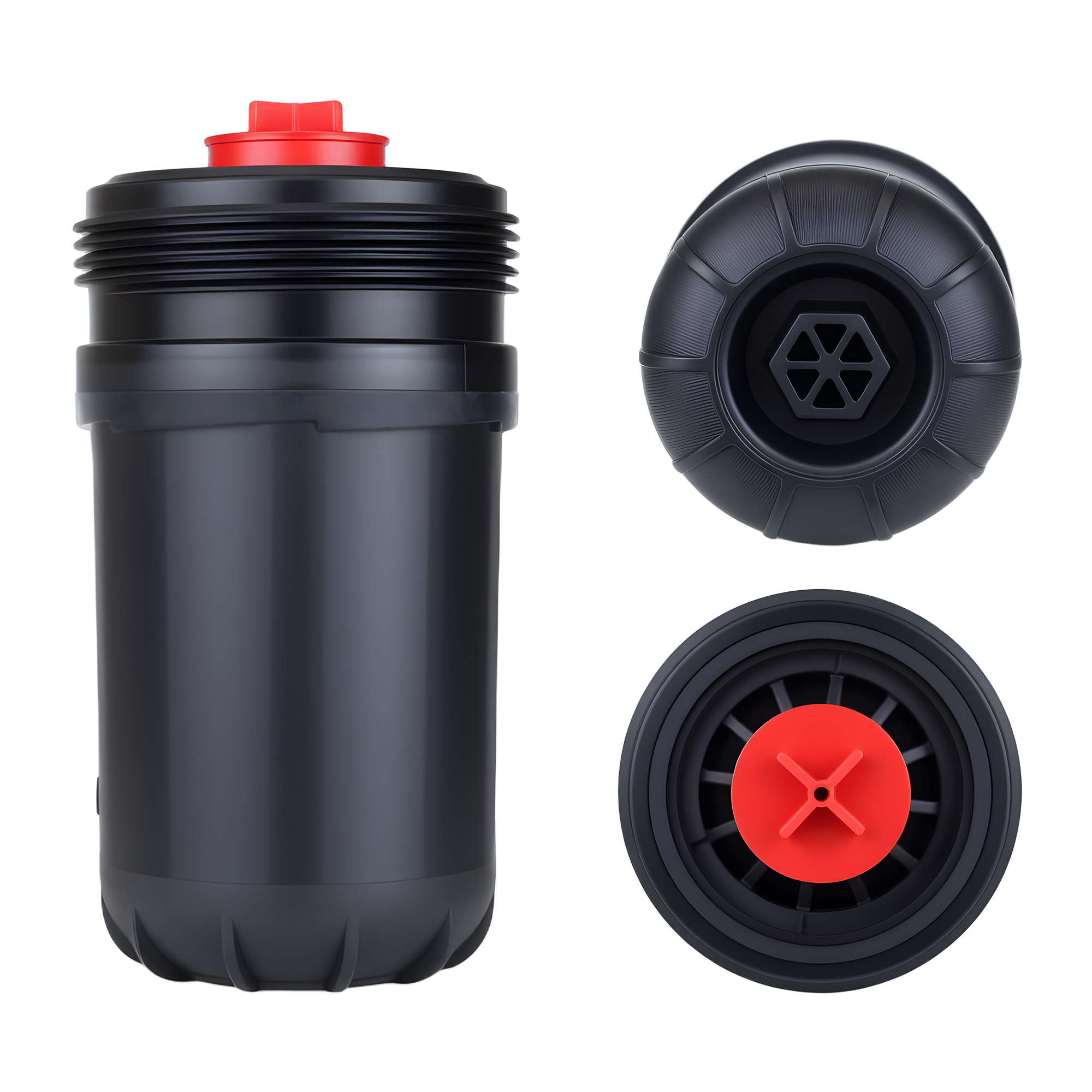
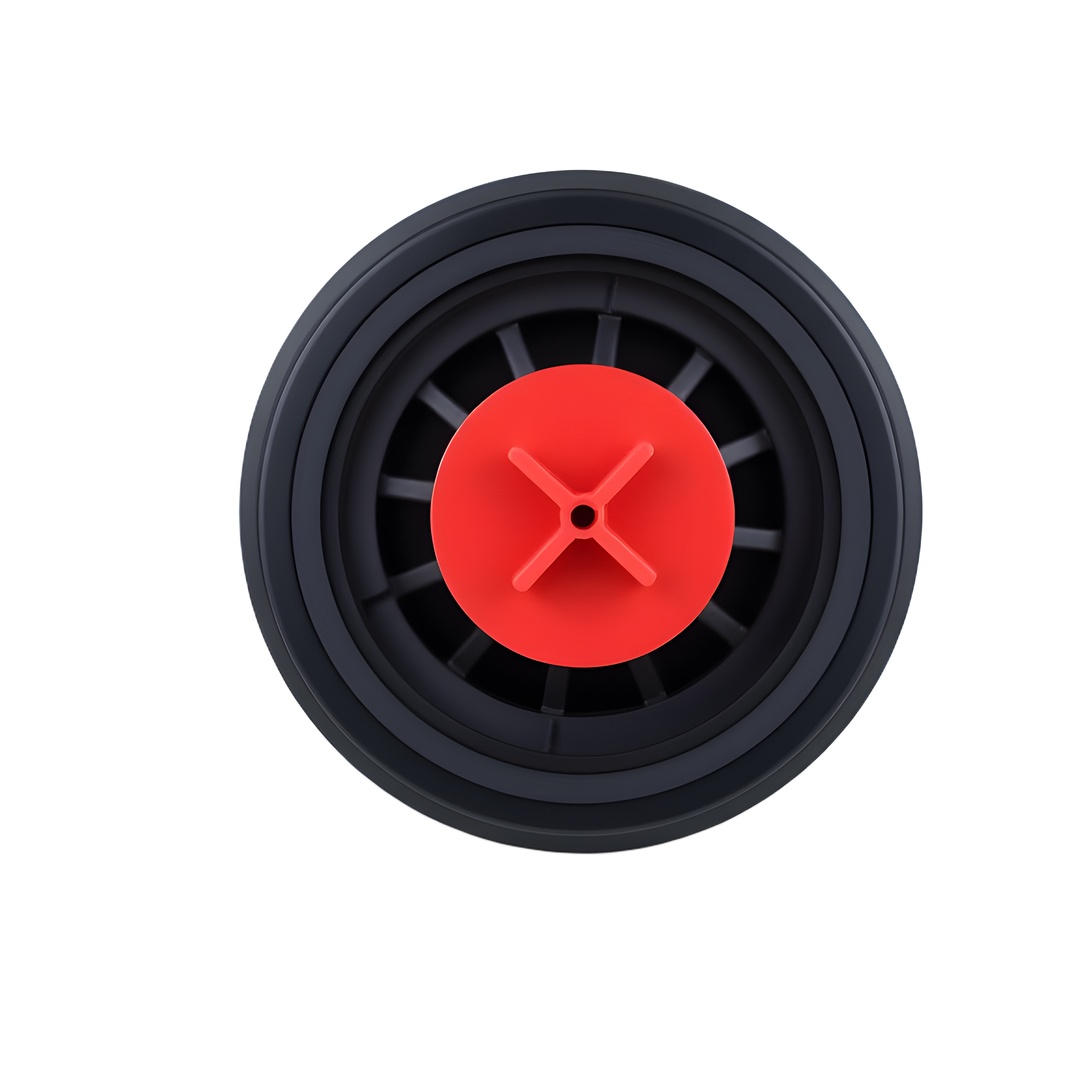
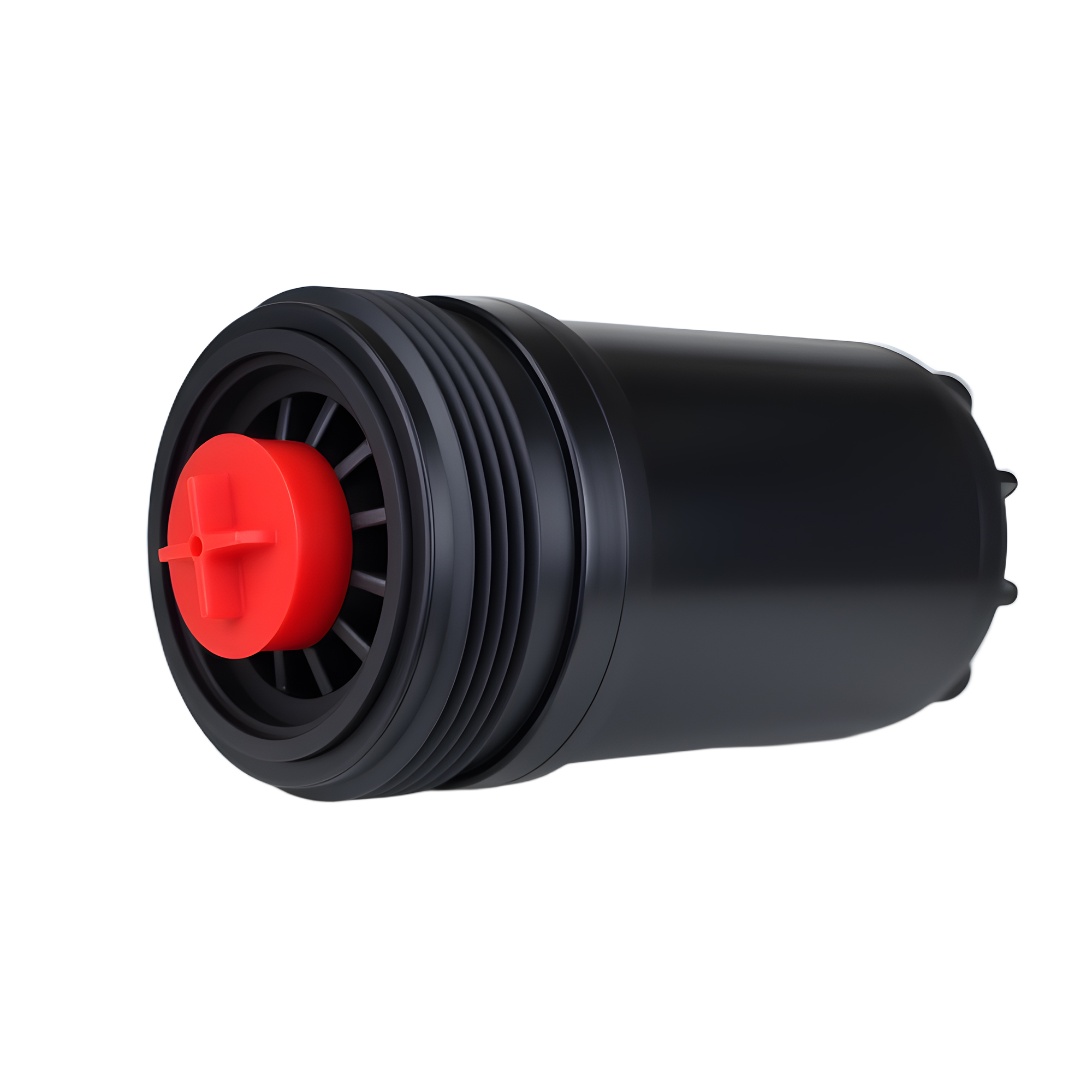
For a common heavy-duty replacement such as FF63054NN / P553009 diesel fuel filter, the buyer should still confirm the intended engine and OE-number relationship before ordering in volume. A product page can help communicate the reference direction, but it does not remove the responsibility to verify the application.
A B2B purchase file should include photos of the removed part, the original label, the vehicle or engine identification, and the expected quantity. This makes it easier to avoid cross-reference errors and helps the supplier maintain consistent packaging and label content for repeat orders.
Thread, diameter, length, and gasket configuration
Fuel flow direction and housing compatibility
Drain, sensor, or water-separation configuration when applicable
Engine, vehicle, or equipment application
OE number and clear removed-part photographs
A filter interval should reflect the equipment environment, fuel quality, seasonal conditions, duty cycle, and manufacturer guidance. Long haul, mine, construction, agricultural, generator, and idle-heavy applications do not expose filters to the same contamination patterns. A schedule that works for one route may not protect another.
Maintenance teams should record restriction complaints, water findings, engine symptoms, and replacement frequency by application. This lets them see whether a shorter interval, better fuel handling, a different water-control strategy, or a fitment correction is justified. The answer should be based on observed conditions rather than a blanket recommendation for every diesel vehicle.
For importers, interval data can guide the stock mix. A distributor may need fast-moving filters for standard truck applications and a smaller but planned supply for generators, machinery, or regional fuel conditions. This is a more useful forecast than buying only the reference with the lowest unit cost.
Route, climate, fuel-source, and idle-time patterns
Water contamination or restriction findings
Engine-platform-specific service guidance
Replacement frequency and emergency-order history
A bulk fuel-filter program should define the references to be stocked, the applications they support, the packaging and label format, the cross-reference method, and the service information supplied to customers. Consistency reduces warehouse errors and makes a repair shop more likely to reorder the correct item instead of substituting an unknown look-alike.
Buyers should check batch availability, carton protection, private-label options where appropriate, product photographs, and lead time for repeat purchase. They should also decide which items will be carried for immediate service and which will remain special-order. This matters because fuel-filter demand often follows maintenance cycles rather than a single seasonal sales event.
A commercial buyer can use Elecdurauto company information and product-level references to establish the right sourcing conversation, then provide the engine, OE, and volume data needed for a focused quotation. The objective is a stable aftermarket filter program, not an unsupported substitute claim.
Fast-moving references and application mapping
Carton, label, barcode, and private-label requirements
Batch consistency and product-photo approval
Lead-time, MOQ, and repeat-order plan
Technical evidence required for any return or claim
The most common shortcut is choosing by a single micron number. Other risky shortcuts include relying on a broad brand reference without confirming the OE number, assuming a similar canister will fit, or treating water separation as irrelevant on an application that needs it. Each error can turn an inexpensive part into a costly service event.
Avoid describing an aftermarket item as genuine, original, or official OE unless that status is verified. When a buyer uses a familiar reference name, position the offered part accurately as an aftermarket replacement or OE-grade equivalent where appropriate. The buyer needs clarity about compatibility, not a claim that cannot be supported.
When the application is unclear, use Elecdurauto fuel-filter sourcing support to submit the removed-part photos, OE reference, engine details, and purchasing plan. That is a better next step than placing a bulk order on a generic search term.
Do not select solely by micron rating.
Do not assume a physical look-alike has the same fuel-system function.
Do not skip OE and application verification for a bulk order.
Do not make unverified genuine or official-OE claims.
Micron rating should be evaluated alongside fuel cleanliness, water-separation needs, pump and injector sensitivity, filter location, flow demand, and approved service interval. A filter that is too restrictive for the application can create service issues, while a filter that does not provide adequate particle control can expose downstream components. The practical objective is a stable fuel-filtration arrangement that protects the system without compromising available flow during real operating conditions.
Common-rail diesel systems make this balance especially important because precise components can be affected by contamination that would be less obvious in older mechanical systems. Fleet buyers should ask what the replacement filter is intended to do in the system: primary separation, secondary fine filtration, or both. The answer affects micron discussion, installation location, and the evidence needed to match an aftermarket replacement properly.
Primary versus secondary filter position
Water-separation requirement and drain arrangement
Flow demand, restriction risk, and service interval
Engine fuel-system sensitivity and verified application reference
A repeatedly plugged filter may be reporting a tank, storage, transfer, or refueling problem rather than a poor replacement choice. Water ingress, sediment, microbial growth, deteriorating hoses, and unclean bulk fuel equipment can shorten filter life dramatically. Before a fleet changes micron rating or ordering volume, examine what is entering the fuel system and whether the failure pattern is limited to a particular site, vehicle group, season, or supplier.
For a distributor, this diagnostic context prevents an unproductive cycle of substituting one filter for another. It also creates an opportunity to supply the correct related products and practical guidance. The Elecdurauto fuel-filter range can be reviewed by reference and application, while a specific listing such as the FF63054NN fuel filter provides a concrete reference for fitment discussion.
Tank and bulk-fuel cleanliness
Water, sediment, and biological contamination indicators
Refueling practices, storage turnover, and transfer equipment
Filter-change interval, restriction symptom, and affected vehicle group
A purchasing description that says only diesel fuel filter leaves too much room for substitution. Better records include the OE/reference number, application, filter position, nominal specification where verified, seal and thread details, water-drain features, carton quantity, and photo reference. This helps a warehouse separate similar canisters and gives a workshop a repeatable way to receive and issue stock.
For importers, the goal is not to claim a filter is genuine from a reference brand unless that status has been verified. It is to describe the item accurately as an aftermarket replacement or equivalent for OE-number matching, then retain evidence of application and batch availability. That approach makes a micron discussion part of a transparent, repeatable B2B purchasing process rather than a vague product claim.
Reference number, engine application, and filter position
Thread, seal, drain, and connector details
Verified filtration and water-management requirements
Packaging, labeling, photos, and repeat-order availability
A fleet that changes filters on a fixed calendar interval may miss useful evidence. If restriction indicators, fuel-pressure behavior, service records, or cut-open inspection show a pattern, the cause may be duty cycle, fuel storage, seasonal water exposure, or an incorrect replacement application. A disciplined review can reveal whether the interval should change or whether the root cause is external contamination that no standard filter change can solve by itself.
Track the vehicle group, operating hours or mileage, fuel source, observed restriction, water-drain findings, and the condition of the removed element. This gives fleet managers and parts buyers a factual base for ordering quantities. It can also prevent a warehouse from treating a high-consumption site as normal demand when it is actually a contamination event that needs corrective action.
Restriction indicator or fuel-pressure evidence
Service interval and duty-cycle context
Fuel source, storage condition, and water findings
Removed-filter observations tied to the specific vehicle group
Receiving controls matter because filters are precision service parts. Before stock is issued, check that cartons are dry, labels are readable, protective caps and seals are present, threads and gaskets are undamaged, and the reference matches the order. Store items so packaging does not collapse and contaminants cannot enter open connections. A correct micron specification cannot compensate for a damaged seal, a wrong thread, or a part that was mixed with a visually similar item in the warehouse.
For bulk buyers, retain a simple batch trail from receipt to issue. Carton labels, photos, delivery reference, and application mapping make it easier to identify stock if a workshop reports a problem. This is especially valuable where several diesel platforms use filters with similar dimensions but different water-management or bypass features. Clear receiving discipline supports both system protection and more defensible supplier communication. When an item is received, compare the actual sealing surfaces and ports with the verified reference before it enters an open picking location. If a carton is mixed, damaged, or missing an application label, quarantine it until the buyer can confirm the correct receiving decision. This simple step prevents a stock-control error from becoming a downstream fuel-system risk. It protects both accuracy and downstream uptime.
Check seals, caps, threads, and cartons before stock acceptance.
Separate look-alike filters by verified application and reference.
Retain batch, delivery, and photo records for traceability.
Issue filters with application information, not only a warehouse code.
Fuel-filter micron rating is important, but it is only one part of heavy-duty diesel protection. A useful decision combines the engine requirement, fuel-system sensitivity, water handling, physical fitment, flow need, operating environment, and service evidence. That gives fleets a stronger maintenance plan and gives B2B buyers a defensible product specification.
For distributors and importers, the same evidence improves catalog quality. It supports consistent cross-reference matching, packaging, repeat availability, and better conversations with repair networks. The result is a filter program built around the applications customers actually operate.
The supplier can respond more accurately when the inquiry provides application evidence rather than only a keyword. These details help separate a common fitment from a reference that needs a technical cross-check.
Keep the same information on file for repeat orders. It becomes a practical catalog record and supports faster service when a customer needs an urgent replacement.
OE/reference number and removed-filter photographs
Engine model, vehicle, equipment, and fuel-system type
Thread, dimensions, seal configuration, and sensor or drain features
Water-separation requirement and operating environment
Expected monthly or annual demand
Packaging, labeling, and repeat-supply needs