ELECDURA NETWORK

Your Whole New Supply Chain For Heavy-Duty Parts
Whatsapp:
+86 18915027366
Phone:
+86 18915027366
Views: 0 Author: Site Editor Publish Time: 2026-07-29 Origin: Site
A replacement A/C compressor can fail quickly even when the new unit itself is correctly matched. Oil balance, contamination, moisture, restriction, hose condition, heat rejection, clutch or electrical control, and installation practice all influence the outcome. For heavy-duty trucks, agricultural machines, buses, and construction equipment, a repeat compressor failure is rarely solved by installing another compressor without examining the complete system.
This matters to B2B buyers because a compressor return may involve a fleet, a repair network, a distributor, and a manufacturer at the same time. A clear pre-installation process protects the buyer from unnecessary claims, helps the workshop document the repair, and gives the supplier the information needed to verify a match by OE reference, compressor type, voltage, pulley, mount, and application.
For product and application direction, buyers can review Elecdurauto heavy-duty A/C compressors before submitting the original label, machine model, system details, and planned order quantity.
In a working A/C system, lubricant is distributed through the compressor and the rest of the refrigerant circuit. When a component is replaced, the amount of oil removed with the old part and retained in the system affects how the replacement should be prepared. Adding oil without understanding the system condition can contribute to poor cooling, compressor stress, or circulation problems.
Heavy-duty systems add complexity because hose runs may be long, equipment may operate at high ambient temperature, and the vehicle may have experienced prior repairs or leaks. Agricultural and construction machines may also see vibration, dust, and long idle periods that complicate diagnosis. The replacement decision should therefore begin with a system inspection, not only a part-number lookup.
For buyers, the key commercial point is that a compressor should be supplied as the correctly matched component within a documented repair process. The supplier can support application matching, but the workshop must also address the system conditions that could damage the new unit.
Identify what failed before opening the system.
Measure or account for oil removed with replaced components.
Follow the compressor and system manufacturer guidance for lubricant type and quantity.
Document the repair steps before evaluating a warranty claim.
A seized or internally damaged compressor can circulate debris through the system. Moisture, degraded lubricant, hose fragments, and contamination can also create restrictions or wear that are not visible from the outside. If those conditions remain, a new compressor may run briefly before showing the same complaint.
The inspection should consider the oil appearance, debris evidence, lines, condenser, evaporator circuit, receiver-drier or accumulator, expansion device, and any components recommended for replacement by the service procedure. The correct remedy depends on the diagnosis; the point is to avoid treating the compressor as an isolated box.
A B2B buyer can use the inspection record to define the product request. State whether the work is a routine replacement, a confirmed internal-failure repair, a leak-related repair, or a system rebuild. This helps avoid a quotation that is technically correct for the compressor but incomplete for the broader service need.
Oil condition and visible debris
Receiver-drier or accumulator condition
Expansion device and line restrictions
Condenser and heat-rejection condition
Hose integrity, fittings, and leak history
If contamination is suspected, preserve the evidence and follow the full cleaning and component-replacement procedure before starting the new compressor.
A heavy-duty A/C compressor request should include the original OE number or label, system voltage, pulley and clutch configuration, mounting, port orientation, refrigerant-system details, and vehicle or equipment application. Similar housings can hide important differences in electrical connection, displacement, pulley grooves, mount pattern, or line routing.
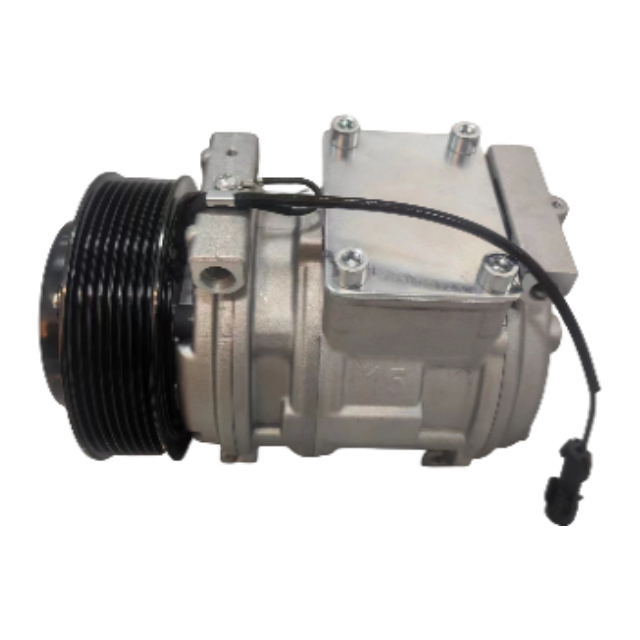
For example, the BH50145 / 10PA15C heavy-duty A/C compressor provides a defined application reference for John Deere-related heavy-duty equipment, but a buyer still needs to verify the original identification and machine configuration before treating it as a replacement direction.
For a distributor, structured application data becomes a repeatable catalog asset. It helps technicians identify the correct item, helps sales teams ask the right questions, and allows purchasing to separate fast-moving compressor families from special-application units.
Original compressor label and OE/reference number
Voltage, clutch, pulley grooves, and connector details
Mounting points, port orientation, and hose connections
Machine, vehicle, engine, and HVAC-system application
Refrigerant and lubricant information from the service specification
A practical workflow starts by identifying the failure mode, recovering refrigerant according to applicable procedure, inspecting the system, and deciding which supporting components require service or replacement. The team then verifies the compressor match, prepares the lubricant balance according to the system guidance, replaces seals as required, evacuates and leak-checks the system, and validates cooling performance after recharge.
The workshop should record the steps rather than rely on memory. The record is valuable when a fleet manager asks why a component was replaced, when a supplier needs to assess a claim, or when a distributor wants to understand which applications generate repeated system work.
Operational discipline is especially important in seasonal equipment. A machine that sits through a low-use period may return to high ambient work with hidden leakage, moisture, or clutch-control issues. Pre-season checks can prevent an urgent parts request from becoming a prolonged downtime event.
Failure diagnosis and refrigerant recovery record
System inspection and component decision
Verified compressor fitment and oil-balance preparation
Evacuation, leak check, recharge, and performance validation
Post-repair documentation for the fleet or buyer file
A commercial compressor program should define which models are routinely stocked, what applications they cover, which related service components are frequently needed, and how the buyer will verify fitment before shipment. Product photos, label conventions, packaging, warranty terms, expected quantities, and repeat availability all influence whether the program is easy for a repair network to use.
Buyers should distinguish a sample order from an ongoing range plan. A first sample may confirm physical fit and visual presentation, while a continuing order needs stable batch supply, consistent carton markings, forecasted quantities, and a process for reporting technical issues. The more repeatable the documentation, the less likely a warehouse or workshop will issue the wrong compressor.
Elecdurauto can be approached through the heavy-duty A/C compressor inquiry channel with OE references, equipment details, product photos, and volume expectations. The right next step is a verified aftermarket matching review and quotation rather than an assumption that a familiar reference guarantees fitment.
Fast-moving compressor families and application scope
Related service components and installation needs
Packaging, labeling, photos, and private-label expectations
Quality records, warranty evidence, and return-review process
MOQ, lead time, and repeat-order forecast
Avoid promoting a replacement compressor as genuine, original, or officially supplied by an OE brand unless that status has been verified. In an aftermarket request, OE numbers and familiar brand references are useful for cross-reference research and fitment communication. They should not be used to imply an unsupported product origin.
Also avoid guessing at lubricant quantity, refrigerant type, or system cleanliness based on the compressor appearance. These conditions must be verified against the application and service procedure. A technically sound part can still fail when the system has not been cleaned, sealed, evacuated, or charged correctly.
A stronger B2B offer is one that states the actual aftermarket position, confirms the fitment evidence, and gives the customer a clear next step for technical review. This reduces ambiguity for the repair shop and makes a future bulk order more manageable.
Use OE references for matching only.
Verify system requirements before lubricant or refrigerant decisions.
Do not treat a compressor replacement as a stand-alone repair.
Retain service evidence for repeat-failure and warranty review.
Oil balancing begins with a diagnosis, not a volume guess. A seized shaft, noisy bearing, scorched clutch, contaminated oil, blocked expansion device, or leaking hose can point to different system conditions. The removed compressor, receiver-drier or accumulator, lines, and service records should be reviewed together. This helps the workshop decide whether it is dealing with normal component wear, lubrication loss, debris circulation, overcharge, undercharge, or a system-control issue.
For heavy-duty equipment, a repeat failure can be expensive because cab comfort may affect driver retention, operator visibility, electronics cooling, or equipment availability. A compressor change that skips system inspection can restore cold air briefly without resolving the condition that damaged the old unit. Buyers should therefore request the application data and service evidence needed to choose a matched aftermarket unit and the appropriate related repair materials.
Observe the removed unit, oil condition, clutch, and shaft behavior.
Check the drier/accumulator, expansion component, hoses, and condenser path.
Confirm refrigerant and lubricant requirements for the actual application.
Document contamination or debris before deciding on flushing and component replacement.
A new compressor should not be installed into a system that still contains debris, moisture, degraded lubricant, or a blocked component. The appropriate service procedure may require flushing eligible lines and heat exchangers, replacing components that cannot be cleaned reliably, fitting new sealing elements, evacuating the system, and charging to the verified application requirement. These actions should be determined by the equipment specification and the nature of the original failure, not by a generic assumption.
From a B2B perspective, this is also how a distributor reduces avoidable returns. Asking a repair network to document contamination findings and related components replaced creates a more complete warranty record. It helps distinguish a product issue from an installation condition and ensures that the next replacement order is based on the actual system need rather than a repeated symptom.
Identify components that must be replaced rather than flushed.
Use clean handling practices for open ports and new seals.
Evacuate and leak-check according to the verified service procedure.
Record related service work with the compressor reference and application.
A reliable purchasing request combines compressor details with the service scope. Provide the original label, OE/reference number, vehicle or equipment model, voltage, pulley and clutch details, mount, ports, connector, refrigerant information where verified, and photos of the removed unit. For agricultural applications, the BH50145 heavy-duty A/C compressor listing can be used as a reference point for discussing application matching rather than as a substitute for fitment verification.
For a broader program, buyers can review Elecdurauto heavy-duty A/C compressors and send their OE/reference and application details through the technical inquiry route. This lets the supplier review aftermarket matching, packaging, stock requirements, and repeat-order needs without implying unverified OE or genuine-brand status.
Compressor reference, all-side photos, and equipment application
Clutch, pulley, mount, ports, connector, and voltage
Original failure observations and system service actions
Quantity, packaging, labeling, and ongoing range requirements
The compressor is only one location in a circulating A/C system. Lubricant may remain in hoses, condensers, evaporators, receiver-driers or accumulators, and the removed unit. The correct oil balance therefore depends on the actual system design, what components were changed, what contamination was found, and the service procedure for that application. Adding a generic amount because a new compressor appears dry or because the removed unit contained oil can create another problem rather than solve the original one.
Heavy-duty machines may also have long hose runs, large heat exchangers, or applications that operate in dusty, high-vibration, or seasonal conditions. These factors make it particularly important to record the work performed and follow verified application data. A purchasing team should avoid promising lubricant quantity from a reference number alone; fitment and service information have to be reviewed together.
System design and application-specific service requirement
Components replaced, flushed, or retained
Condition and estimated distribution of removed lubricant
Verified refrigerant, oil type, and commissioning procedure
A/C performance complaints sometimes begin at the clutch, pulley, belt, wiring, pressure switch, relay, or engine-drive arrangement rather than inside the compressor. Before a repeat replacement order, inspect the clutch engagement behavior, pulley alignment, belt tension, electrical supply, ground path, and any signs of heat damage. This step can prevent a fleet from repeatedly replacing compressors when the actual cause is intermittent control, a slipping belt, or a misaligned drive.
For distributors, these observations improve the technical conversation with the workshop. They help determine whether the request is for a matched compressor, a related drive or electrical component, or further diagnosis. They also reduce the temptation to treat every familiar OE/reference number as a complete answer. The buyer should retain photos and test notes with the request so the supplier can support an accurate aftermarket replacement path. A short confirmation of clutch operation and belt alignment before fitting a replacement can remove an otherwise preventable source of repeat downtime. It also gives the workshop a useful baseline for a post-repair handover check, including stable clutch engagement, no belt noise, and normal cooling response during the first operating cycle. Record that handover with the service date, operating hours, and final application reference for later maintenance review before fleet release.
Clutch engagement and coil or wiring condition
Pulley alignment, belt tension, and bearing noise
Pressure-control, relay, and ground-path observations
Photos and service notes before issuing another compressor
Oil balance is part of a larger heavy-duty A/C replacement process. The best outcome comes from diagnosing the original failure, inspecting for contamination, confirming the compressor configuration, following the correct service procedure, and documenting the finished repair. That protects fleet uptime and reduces the risk of installing the same failure twice.
For importers and distributors, those same steps create a better B2B program. They connect the product to the application, the workshop process, and the evidence needed for repeat supply. A correctly matched aftermarket compressor is valuable; a correctly prepared system is what lets it deliver reliable service.
Use this checklist before requesting a replacement or planning a stocking order. It helps the buyer separate basic compressor identification from system conditions that may affect the repair outcome.
The information also helps a supplier recommend an appropriate aftermarket matching direction without making unsupported assumptions about the original part.
Original label, OE/reference number, and all-side photos
Vehicle or equipment model and application
Voltage, clutch, pulley, mount, port, and connector details
Failure mode, oil condition, and contamination observations
System components already replaced or planned for service
Required quantity, packaging, and repeat-order plan