ELECDURA NETWORK

Your Whole New Supply Chain For Heavy-Duty Parts
Whatsapp:
+86 18915027366
Phone:
+86 18915027366
Views: 0 Author: Site Editor Publish Time: 2026-07-28 Origin: Site
A solenoid coil can click during a brief bench test and still be unsuitable for continuous operation on a diesel engine, hydraulic circuit, or mobile machine. Nominal voltage is only the first gate. Resistance, inrush current, holding power, duty rating, ambient heat, fluid temperature, connector sealing, and driver strategy determine whether the valve will operate reliably.
Heavy-duty buyers can review the Elecdurauto solenoid valve range for application formats, but an accurate request must identify what the valve controls and how the original coil is energized. Fuel shutdown, hydraulic switching, transmission control, and pneumatic actuation may use similar-looking bodies with very different fail positions and operating limits.
This article helps workshops and distributors turn coil measurements into a practical aftermarket specification. It also explains why heat damage should trigger a circuit and valve inspection before another coil is fitted.
Identify the controlled medium, normally open or normally closed position, spool or poppet function, and expected response if power is lost. For solenoid valve coil selection, that distinction matters when a fleet has repeated downtime and the distributor must separate fitment from system condition.
Observe the machine sequence and confirm whether the coil energizes to start, stop, hold, or modulate the controlled function. During define the valve function and safe state first, the technician should identify the test condition, the instrument or visual evidence used, and the point at which the result changes the repair decision. The define the valve function and safe state first record stays tied to a repeatable heavy-duty procedure rather than a one-time impression.
The evidence package for define the valve function and safe state first should include the application, original markings, all relevant interfaces, observed operating behavior, and any correction completed before retesting. Evidence from define the valve function and safe state first helps a remote technical buyer understand why one replacement direction is acceptable and another remains unverified.
Name the controlled system.
Record the de-energized position.
Identify required flow direction.
Document the machine safety sequence.
A procurement record that omits the safe state can match the connector yet reverse the required operation. Before the define the valve function and safe state first quotation is approved, assign a clear status—accepted for the named application, pending more evidence, or rejected. The define the valve function and safe state first release gate protects the fleet from an urgent substitution and gives the importer a stable specification for repeat supply.
At the end of this define the valve function and safe state first module, compare technical fit, operating risk, packaging continuity, lead time, and claim evidence as separate decision factors. Within define the valve function and safe state first, a lower unit price does not offset a mismatch that creates a second service visit or an unusable warehouse batch.
Battery voltage and coil voltage may differ because of relays, drivers, long harnesses, poor grounds, or pulse-width control. For solenoid valve coil selection, clear acceptance evidence also makes later batch inspection faster because the approved features are already defined.
Measure at the connected coil during pull-in and hold, then inspect voltage drop across supply and ground paths. During verify nominal voltage at the coil under load, the technician should identify the test condition, the instrument or visual evidence used, and the point at which the result changes the repair decision. The verify nominal voltage at the coil under load record stays tied to a repeatable heavy-duty procedure rather than a one-time impression.
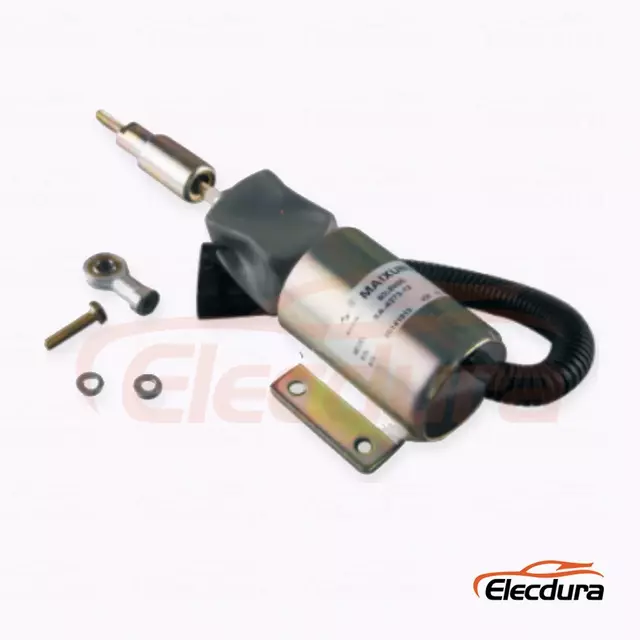
Solenoid valve used to explain voltage and heat limits.
The evidence package for verify nominal voltage at the coil under load should include the application, original markings, all relevant interfaces, observed operating behavior, and any correction completed before retesting. Evidence from verify nominal voltage at the coil under load helps a remote technical buyer understand why one replacement direction is acceptable and another remains unverified.
Measure pull-in voltage.
Measure holding voltage.
Check ground drop.
Capture pulse-width control if present.
A buyer should not order a 12V or 24V replacement from vehicle voltage alone when the controller applies a managed waveform. Before the verify nominal voltage at the coil under load quotation is approved, assign a clear status—accepted for the named application, pending more evidence, or rejected. The verify nominal voltage at the coil under load release gate protects the fleet from an urgent substitution and gives the importer a stable specification for repeat supply.
At the end of this verify nominal voltage at the coil under load module, compare technical fit, operating risk, packaging continuity, lead time, and claim evidence as separate decision factors. Within verify nominal voltage at the coil under load, a lower unit price does not offset a mismatch that creates a second service visit or an unusable warehouse batch.
Cold resistance provides a baseline, while rising resistance and falling current reflect coil temperature during operation. For solenoid valve coil selection, the workshop should preserve photographs and readings so a warranty discussion does not begin with missing facts.
Compare the removed coil with service data, watch for shorted turns or open circuits, and use a safe heat-soak test that represents the actual duty. During use resistance and current to interpret heat, the technician should identify the test condition, the instrument or visual evidence used, and the point at which the result changes the repair decision. The use resistance and current to interpret heat record stays tied to a repeatable heavy-duty procedure rather than a one-time impression.
The evidence package for use resistance and current to interpret heat should include the application, original markings, all relevant interfaces, observed operating behavior, and any correction completed before retesting. Evidence from use resistance and current to interpret heat helps a remote technical buyer understand why one replacement direction is acceptable and another remains unverified.
Record ambient and coil temperature.
Measure cold resistance.
Observe current over time.
Inspect insulation and connector colour.
A distributor evaluating a return needs cold and hot observations, not only a statement that the solenoid became warm. Before the use resistance and current to interpret heat quotation is approved, assign a clear status—accepted for the named application, pending more evidence, or rejected. The use resistance and current to interpret heat release gate protects the fleet from an urgent substitution and gives the importer a stable specification for repeat supply.
At the end of this use resistance and current to interpret heat module, compare technical fit, operating risk, packaging continuity, lead time, and claim evidence as separate decision factors. Within use resistance and current to interpret heat, a lower unit price does not offset a mismatch that creates a second service visit or an unusable warehouse batch.
Intermittent coils may overheat when held continuously, while continuous-duty designs balance magnetic force and temperature differently. For solenoid valve coil selection, this checkpoint prevents a plausible reference from bypassing the evidence required for a heavy-duty application.
Record energized time, cycling frequency, engine-bay heat, hydraulic temperature, and shutdown intervals across a representative shift. During match duty cycle to the machine work pattern, the technician should identify the test condition, the instrument or visual evidence used, and the point at which the result changes the repair decision. The match duty cycle to the machine work pattern record stays tied to a repeatable heavy-duty procedure rather than a one-time impression.
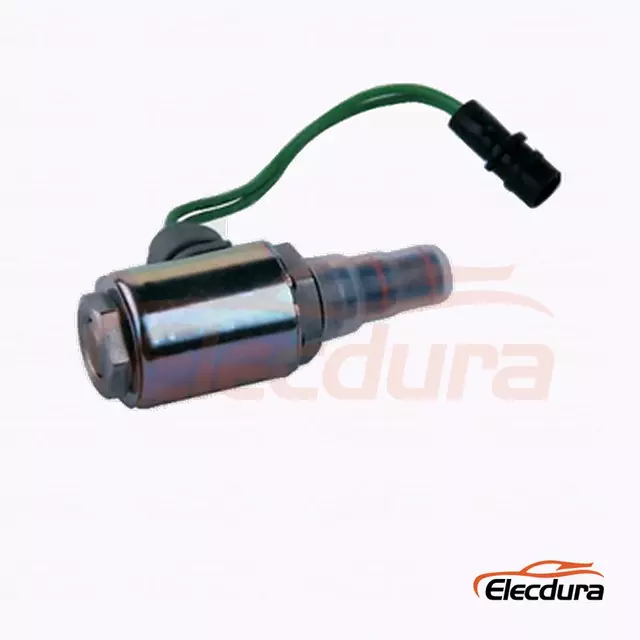
Hydraulic valve reference for duty-cycle and media checks.
The evidence package for match duty cycle to the machine work pattern should include the application, original markings, all relevant interfaces, observed operating behavior, and any correction completed before retesting. Evidence from match duty cycle to the machine work pattern helps a remote technical buyer understand why one replacement direction is acceptable and another remains unverified.
Classify intermittent or continuous operation.
Count cycles during peak work.
Note hot-soak restart behaviour.
Check coil cooling and ventilation.
The quotation should state the required duty rather than relying on a common body or cross-reference number. Before the match duty cycle to the machine work pattern quotation is approved, assign a clear status—accepted for the named application, pending more evidence, or rejected. The match duty cycle to the machine work pattern release gate protects the fleet from an urgent substitution and gives the importer a stable specification for repeat supply.
At the end of this match duty cycle to the machine work pattern module, compare technical fit, operating risk, packaging continuity, lead time, and claim evidence as separate decision factors. Within match duty cycle to the machine work pattern, a lower unit price does not offset a mismatch that creates a second service visit or an unusable warehouse batch.
A correct coil cannot rescue a spool blocked by contamination, a seal attacked by fuel, or a port with the wrong thread or flow path. For solenoid valve coil selection, the result should be written into the job record before the vehicle, machine, or removed part leaves the workshop.
Inspect the valve body, screen, plunger travel, seal material, media, pressure, and installation direction before authorizing replacement. During confirm ports, seals, media, and mechanical freedom, the technician should identify the test condition, the instrument or visual evidence used, and the point at which the result changes the repair decision. The confirm ports, seals, media, and mechanical freedom record stays tied to a repeatable heavy-duty procedure rather than a one-time impression.
The evidence package for confirm ports, seals, media, and mechanical freedom should include the application, original markings, all relevant interfaces, observed operating behavior, and any correction completed before retesting. Evidence from confirm ports, seals, media, and mechanical freedom helps a remote technical buyer understand why one replacement direction is acceptable and another remains unverified.
Identify fluid or gas.
Verify thread and port layout.
Inspect contamination and sticking.
Confirm seal compatibility.
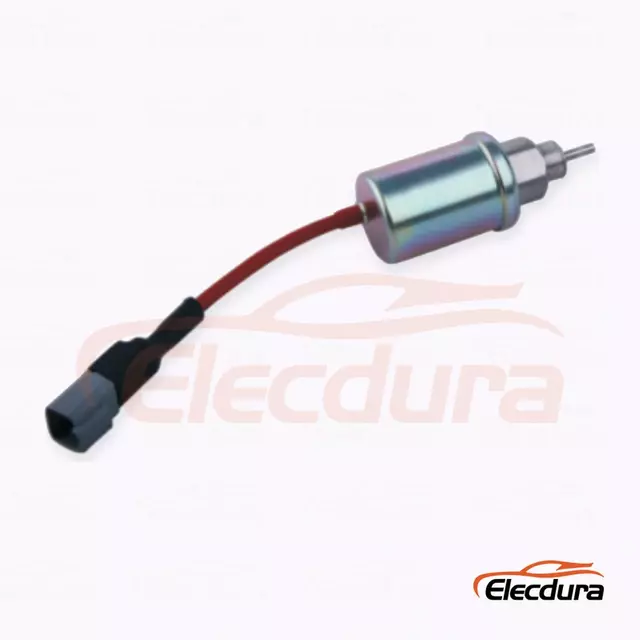
Compare verified products such as the SA-0999-0172 Cummins shutdown solenoid, 109-4591 Caterpillar hydraulic solenoid valve, and U85206520 Perkins shutdown solenoid only after function and interfaces match. Before the confirm ports, seals, media, and mechanical freedom quotation is approved, assign a clear status—accepted for the named application, pending more evidence, or rejected. The confirm ports, seals, media, and mechanical freedom release gate protects the fleet from an urgent substitution and gives the importer a stable specification for repeat supply.
At the end of this confirm ports, seals, media, and mechanical freedom module, compare technical fit, operating risk, packaging continuity, lead time, and claim evidence as separate decision factors. Within confirm ports, seals, media, and mechanical freedom, a lower unit price does not offset a mismatch that creates a second service visit or an unusable warehouse batch.
An approved sample should reproduce electrical pull-in, hold, temperature, leakage, and mechanical fit before a distributor expands the order. For solenoid valve coil selection, a measured finding gives procurement a stronger basis than appearance, memory, or a broad catalogue description.
Retain resistance data, connector photos, labels, packaging, and the tested application so later batches can be compared with the same evidence. During create a batch-acceptance test for b2b supply, the technician should identify the test condition, the instrument or visual evidence used, and the point at which the result changes the repair decision. The create a batch-acceptance test for b2b supply record stays tied to a repeatable heavy-duty procedure rather than a one-time impression.
Solenoid valve reference for connector and resistance testing.
The evidence package for create a batch-acceptance test for b2b supply should include the application, original markings, all relevant interfaces, observed operating behavior, and any correction completed before retesting. Evidence from create a batch-acceptance test for b2b supply helps a remote technical buyer understand why one replacement direction is acceptable and another remains unverified.
Test representative samples.
Record coil resistance and current.
Photograph connector and body markings.
Define leakage and functional acceptance.
This controls aftermarket consistency without implying genuine OE status from a familiar reference. Before the create a batch-acceptance test for b2b supply quotation is approved, assign a clear status—accepted for the named application, pending more evidence, or rejected. The create a batch-acceptance test for b2b supply release gate protects the fleet from an urgent substitution and gives the importer a stable specification for repeat supply.
At the end of this create a batch-acceptance test for b2b supply module, compare technical fit, operating risk, packaging continuity, lead time, and claim evidence as separate decision factors. Within create a batch-acceptance test for b2b supply, a lower unit price does not offset a mismatch that creates a second service visit or an unusable warehouse batch.
An agricultural machine uses a 24V solenoid to hold a hydraulic function through long harvesting cycles. A visually similar replacement pulls in correctly but becomes too hot to hold after forty minutes. The quoted coil was rated for intermittent operation, and its resistance-current balance was not intended for continuous energization near a hot engine compartment.
The resolution starts by recording energized time, ambient temperature, cold resistance, hot current, valve freedom, and the controller waveform. A continuous-duty replacement must then be approved against the real work cycle rather than a brief bench click. Importers should retain the test condition with the sample so a later batch cannot drift back to the intermittent design.
Actual energized duration per cycle
Cold resistance and hot holding current
Valve spool freedom and fluid temperature
Continuous-duty evidence for the approved sample
Field Scenario: A 24V Coil Overheats During Continuous Harvest Work changes the solenoid valve coil selection purchase decision because the failure evidence identifies which conditions must be corrected and which product characteristics must be preserved. The solenoid valve coil selection replacement file should contain the measured result, repaired system condition, accepted sample, and a specific rule for future orders.
Reliable solenoid selection begins with function and safe state, then moves through real coil voltage, resistance, duty, heat, ports, seals, and operating media. That order helps technicians correct vehicle-side causes and helps buyers describe the actual heavy-duty requirement. When the evidence is complete, Elecdurauto solenoid application support can review an aftermarket match and batch-supply request without treating a reference number as proof of genuine origin.
A complete solenoid valve coil selection inquiry should state the original reference, engine or equipment model, electrical and mechanical interfaces, diagnosed failure mode, required quantity, packaging expectations, and repeat-order forecast. The solenoid valve coil selection data set turns electrical duty, thermal behavior, valve function, and media compatibility into an actionable commercial specification rather than a generic search request.
Original solenoid valve coil selection markings and all-side photographs
Vehicle, engine, machine, and operating-duty information
Measured diagnostic results and corrections already completed
Quantity, delivery market, packaging, label, and repeat-order requirements
The solenoid valve coil selection procurement data sheet should identify the buyer, destination market, vehicle or machine platform, original references, required quantity, planned reorder frequency, and the technical evidence already collected. A solenoid valve coil selection procurement quotation is easier to compare when every supplier answers the same fitment and commercial fields instead of interpreting a short keyword request differently.
For solenoid valve coil selection procurement, separate mandatory fitment gates from preferences such as packaging style or delivery timing. The solenoid valve coil selection procurement team should mark every unanswered mandatory field as pending, attach photographs at useful angles, and keep the old unit available until the sample is accepted. The solenoid valve coil selection procurement written data sheet then becomes the basis for receiving inspection and later investigation of a changed batch.
Readable original markings and reference information for solenoid valve coil selection procurement
Vehicle, engine, equipment, operating environment, and diagnosed complaint
Measured electrical, mechanical, thermal, fluid, or airflow checks required by the category
Quantity, destination, packaging, label, lead-time, and repeat-supply expectations
Release the solenoid valve coil selection procurement request only when the technical owner and buyer agree on the same application and supply type. For solenoid valve coil selection procurement, record whether the proposed item is aftermarket, remanufactured, genuine, or another verified category, and avoid converting an OE reference into an unsupported origin claim.