ELECDURA NETWORK

Your Whole New Supply Chain For Heavy-Duty Parts
Whatsapp:
+86 18915027366
Phone:
+86 18915027366
Views: 0 Author: Site Editor Publish Time: 2026-07-28 Origin: Site
Blue smoke or oil at a turbocharger outlet does not automatically prove that the turbocharger itself created the failure. On a heavy-duty diesel, gravity drainage, crankcase pressure, air-path restriction, oil level, bearing-housing orientation, and engine blow-by can all change how lubricant moves through the center housing. Replacing the assembly before those conditions are measured can turn an expensive repair into a repeat claim.
This guide gives fleet technicians, repair networks, distributors, and importers a structured way to separate a restricted drain from a worn rotating assembly. It also shows how to convert workshop evidence into a safer aftermarket sourcing request. Buyers can review the Elecdurauto heavy-duty turbocharger category while keeping the removed unit, engine details, and failure photographs available for cross-reference work.
The diagnostic order matters because exhaust smoke may be produced by several systems at once. The objective is to confirm the lubrication path and crankcase condition before deciding whether the existing turbocharger can return to service, whether an engine-side correction is required, or whether a verified replacement should be ordered.
Begin with smoke timing, oil location, boost behaviour, intake condition, and exhaust evidence instead of treating every oily pipe as a failed seal. For turbocharger oil drainage, this checkpoint prevents a plausible reference from bypassing the evidence required for a heavy-duty application.
Inspect both compressor and turbine paths, record whether smoke appears at idle, after a long descent, or under load, and compare oil consumption with engine service history. During separate an oil-drain complaint from other sources of smoke, the technician should identify the test condition, the instrument or visual evidence used, and the point at which the result changes the repair decision. The separate an oil-drain complaint from other sources of smoke record stays tied to a repeatable heavy-duty procedure rather than a one-time impression.
The evidence package for separate an oil-drain complaint from other sources of smoke should include the application, original markings, all relevant interfaces, observed operating behavior, and any correction completed before retesting. Evidence from separate an oil-drain complaint from other sources of smoke helps a remote technical buyer understand why one replacement direction is acceptable and another remains unverified.
Photograph oil at the compressor inlet and outlet separately.
Record smoke colour and operating condition.
Check air-filter and breather restrictions.
Retain the removed unit until the cause is documented.
For purchasing teams, a clear failure description determines whether the RFQ needs only a turbocharger or also installation parts and engine-side corrective work. Before the separate an oil-drain complaint from other sources of smoke quotation is approved, assign a clear status—accepted for the named application, pending more evidence, or rejected. The separate an oil-drain complaint from other sources of smoke release gate protects the fleet from an urgent substitution and gives the importer a stable specification for repeat supply.
At the end of this separate an oil-drain complaint from other sources of smoke module, compare technical fit, operating risk, packaging continuity, lead time, and claim evidence as separate decision factors. Within separate an oil-drain complaint from other sources of smoke, a lower unit price does not offset a mismatch that creates a second service visit or an unusable warehouse batch.
Turbocharger oil normally returns by gravity, so drain angle, kinks, collapsed hose, carbon, gasket intrusion, and housing rotation are primary inspection points. For turbocharger oil drainage, the result should be written into the job record before the vehicle, machine, or removed part leaves the workshop.
Remove and inspect the drain path rather than judging it from the outside; verify a continuous downward route and compare the flange opening with the gasket and block passage. During inspect drain geometry, orientation, and internal restriction, the technician should identify the test condition, the instrument or visual evidence used, and the point at which the result changes the repair decision. The inspect drain geometry, orientation, and internal restriction record stays tied to a repeatable heavy-duty procedure rather than a one-time impression.
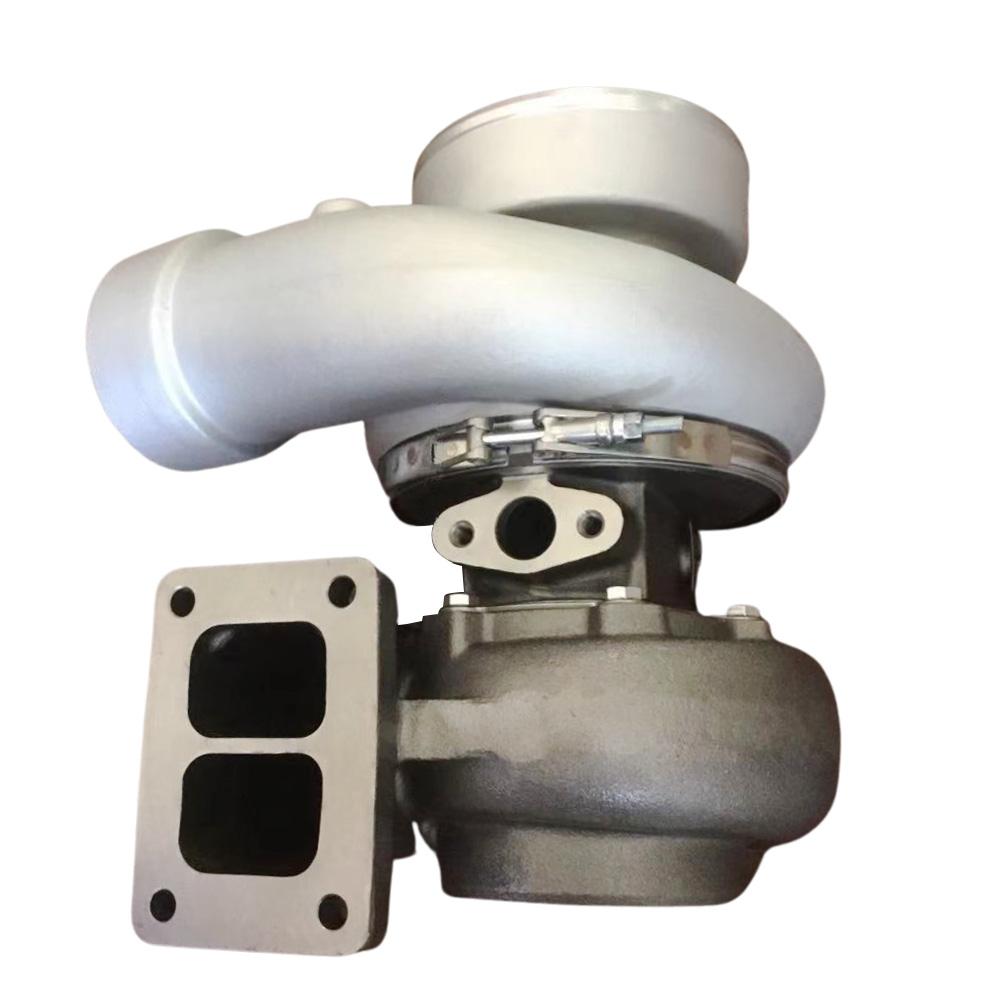
D8K turbocharger reference used to explain drain angle and bearing-housing checks.
The evidence package for inspect drain geometry, orientation, and internal restriction should include the application, original markings, all relevant interfaces, observed operating behavior, and any correction completed before retesting. Evidence from inspect drain geometry, orientation, and internal restriction helps a remote technical buyer understand why one replacement direction is acceptable and another remains unverified.
Confirm the center housing is clocked correctly.
Check the full drain tube for soft or collapsed sections.
Look for carbon and silicone blocking the bore.
Verify the lower block connection is open.
A buyer should include drain-flange orientation and installation photos when a replacement housing must match a confined engine bay. Before the inspect drain geometry, orientation, and internal restriction quotation is approved, assign a clear status—accepted for the named application, pending more evidence, or rejected. The inspect drain geometry, orientation, and internal restriction release gate protects the fleet from an urgent substitution and gives the importer a stable specification for repeat supply.
At the end of this inspect drain geometry, orientation, and internal restriction module, compare technical fit, operating risk, packaging continuity, lead time, and claim evidence as separate decision factors. Within inspect drain geometry, orientation, and internal restriction, a lower unit price does not offset a mismatch that creates a second service visit or an unusable warehouse batch.
Excessive blow-by or a restricted crankcase ventilation system can oppose oil return and push lubricant toward the compressor or turbine side. For turbocharger oil drainage, a measured finding gives procurement a stronger basis than appearance, memory, or a broad catalogue description.
Measure crankcase pressure under the relevant operating condition, inspect separators and breathers, and compare results with the engine service information rather than relying on cap movement alone. During measure crankcase pressure and breather performance, the technician should identify the test condition, the instrument or visual evidence used, and the point at which the result changes the repair decision. The measure crankcase pressure and breather performance record stays tied to a repeatable heavy-duty procedure rather than a one-time impression.
The evidence package for measure crankcase pressure and breather performance should include the application, original markings, all relevant interfaces, observed operating behavior, and any correction completed before retesting. Evidence from measure crankcase pressure and breather performance helps a remote technical buyer understand why one replacement direction is acceptable and another remains unverified.
Test the breather path for restriction.
Record pressure at idle and controlled load where allowed.
Review cylinder condition if blow-by is excessive.
Correct oil overfill before retesting.
If crankcase pressure remains abnormal, the sourcing decision must separate engine repair from turbocharger replacement so that the new unit is not exposed to the same pressure imbalance. Before the measure crankcase pressure and breather performance quotation is approved, assign a clear status—accepted for the named application, pending more evidence, or rejected. The measure crankcase pressure and breather performance release gate protects the fleet from an urgent substitution and gives the importer a stable specification for repeat supply.
At the end of this measure crankcase pressure and breather performance module, compare technical fit, operating risk, packaging continuity, lead time, and claim evidence as separate decision factors. Within measure crankcase pressure and breather performance, a lower unit price does not offset a mismatch that creates a second service visit or an unusable warehouse batch.
A drain restriction can coexist with poor supply quality, excessive temperature, contaminated oil, or coking after hot shutdown. For turbocharger oil drainage, that distinction matters when a fleet has repeated downtime and the distributor must separate fitment from system condition.
Inspect the feed line, banjo fittings, filter history, oil grade, and heat shielding; then assess whether debris or varnish reached the bearing housing. During check oil feed quality, heat exposure, and coking, the technician should identify the test condition, the instrument or visual evidence used, and the point at which the result changes the repair decision. The check oil feed quality, heat exposure, and coking record stays tied to a repeatable heavy-duty procedure rather than a one-time impression.
D8H turbocharger reference for lubrication-path and installation review.
The evidence package for check oil feed quality, heat exposure, and coking should include the application, original markings, all relevant interfaces, observed operating behavior, and any correction completed before retesting. Evidence from check oil feed quality, heat exposure, and coking helps a remote technical buyer understand why one replacement direction is acceptable and another remains unverified.
Verify oil pressure against engine guidance.
Replace contaminated or damaged feed hardware.
Inspect heat shields and exhaust leaks.
Prime the replacement according to service procedure.
Distributors should ask for lubrication history because a returned turbocharger without oil evidence cannot distinguish a product concern from a system contamination event. Before the check oil feed quality, heat exposure, and coking quotation is approved, assign a clear status—accepted for the named application, pending more evidence, or rejected. The check oil feed quality, heat exposure, and coking release gate protects the fleet from an urgent substitution and gives the importer a stable specification for repeat supply.
At the end of this check oil feed quality, heat exposure, and coking module, compare technical fit, operating risk, packaging continuity, lead time, and claim evidence as separate decision factors. Within check oil feed quality, heat exposure, and coking, a lower unit price does not offset a mismatch that creates a second service visit or an unusable warehouse batch.
The first start after correction should confirm free oil return, stable crankcase pressure, clean air paths, and the absence of leakage at feed and drain joints. For turbocharger oil drainage, clear acceptance evidence also makes later batch inspection faster because the approved features are already defined.
Use a controlled idle and post-repair inspection before applying load; monitor smoke, boost response, noise, and oil level over a defined verification period. During commission the corrected system before releasing the vehicle, the technician should identify the test condition, the instrument or visual evidence used, and the point at which the result changes the repair decision. The commission the corrected system before releasing the vehicle record stays tied to a repeatable heavy-duty procedure rather than a one-time impression.
The evidence package for commission the corrected system before releasing the vehicle should include the application, original markings, all relevant interfaces, observed operating behavior, and any correction completed before retesting. Evidence from commission the corrected system before releasing the vehicle helps a remote technical buyer understand why one replacement direction is acceptable and another remains unverified.
Disable fuel as required to prime oil flow.
Inspect all joints immediately after first start.
Recheck oil level after the verification run.
Record boost and smoke behaviour after repair.
This commissioning record becomes the baseline for a fleet warranty file and for any repeat-order decision made by the distributor. Before the commission the corrected system before releasing the vehicle quotation is approved, assign a clear status—accepted for the named application, pending more evidence, or rejected. The commission the corrected system before releasing the vehicle release gate protects the fleet from an urgent substitution and gives the importer a stable specification for repeat supply.
At the end of this commission the corrected system before releasing the vehicle module, compare technical fit, operating risk, packaging continuity, lead time, and claim evidence as separate decision factors. Within commission the corrected system before releasing the vehicle, a lower unit price does not offset a mismatch that creates a second service visit or an unusable warehouse batch.
After the engine-side checks are complete, match the assembly number, OE/reference, engine model, actuator, flanges, oil connections, and housing orientation. For turbocharger oil drainage, the workshop should preserve photographs and readings so a warranty discussion does not begin with missing facts.
Compare the removed unit with a verified listing such as the 6N7203 Caterpillar D8K turbocharger or the TBP4 Cummins 6BTAA turbocharger only when the engine and physical interfaces support that direction. During translate root-cause evidence into a safer turbocharger order, the technician should identify the test condition, the instrument or visual evidence used, and the point at which the result changes the repair decision. The translate root-cause evidence into a safer turbocharger order record stays tied to a repeatable heavy-duty procedure rather than a one-time impression.
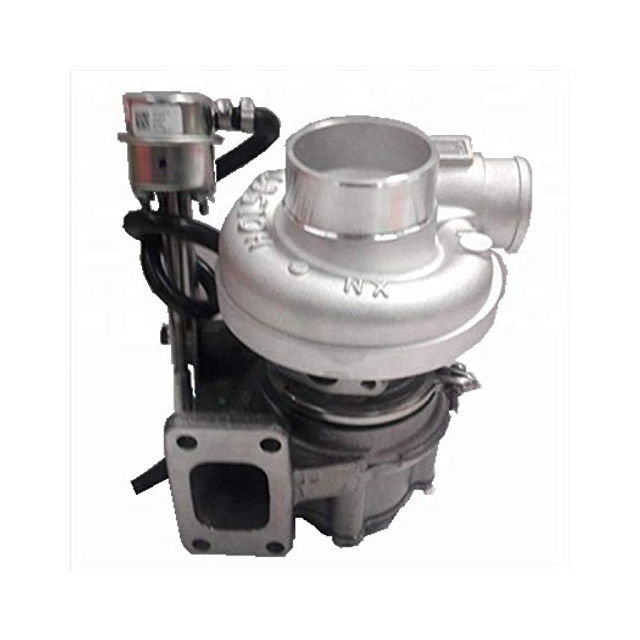
Cummins 4BT turbocharger reference for crankcase-pressure diagnosis.
The evidence package for translate root-cause evidence into a safer turbocharger order should include the application, original markings, all relevant interfaces, observed operating behavior, and any correction completed before retesting. Evidence from translate root-cause evidence into a safer turbocharger order helps a remote technical buyer understand why one replacement direction is acceptable and another remains unverified.
Supply all readable identification plates.
Include engine and equipment application.
Photograph every flange and connection.
State the diagnosed root cause in the inquiry.
For batch sourcing, define packaging, reference labels, inspection photographs, and repeat availability alongside technical fitment. Before the translate root-cause evidence into a safer turbocharger order quotation is approved, assign a clear status—accepted for the named application, pending more evidence, or rejected. The translate root-cause evidence into a safer turbocharger order release gate protects the fleet from an urgent substitution and gives the importer a stable specification for repeat supply.
At the end of this translate root-cause evidence into a safer turbocharger order module, compare technical fit, operating risk, packaging continuity, lead time, and claim evidence as separate decision factors. Within translate root-cause evidence into a safer turbocharger order, a lower unit price does not offset a mismatch that creates a second service visit or an unusable warehouse batch.
Consider a wheel loader that receives a replacement turbocharger after blue smoke at hot idle. Smoke returns after several shifts. A second inspection finds a heat-softened drain hose and a crankcase breather packed with oily debris. Restricted return and elevated crankcase pressure recreated oil movement around the new unit.
The corrective record should now separate the parts and engine actions. Replace the damaged drain hardware, restore breather flow, verify crankcase pressure, inspect oil feed cleanliness, and commission the turbocharger again. For the distributor, this case supports a stronger warranty review because the installation conditions and post-repair measurements are preserved instead of assuming that two assemblies failed for the same internal reason.
Drain route and heat exposure
Measured crankcase pressure after breather service
Oil feed cleanliness and priming record
Post-repair smoke and oil-consumption result
Oil at a turbocharger is evidence to investigate, not a complete diagnosis. Heavy-duty fleets protect uptime when technicians confirm gravity drainage, crankcase ventilation, oil supply, and installation geometry before replacing the assembly. Importers and distributors gain the same advantage by requiring a root-cause file with every high-value request. Once those facts are available, Elecdurauto turbocharger sourcing support can review an accurate aftermarket matching inquiry without presenting an OE reference as proof of genuine-brand origin.
A complete turbocharger oil drainage inquiry should state the original reference, engine or equipment model, electrical and mechanical interfaces, diagnosed failure mode, required quantity, packaging expectations, and repeat-order forecast. The turbocharger oil drainage data set turns lubrication return, crankcase ventilation, and repeat-failure prevention into an actionable commercial specification rather than a generic search request.
Original turbocharger oil drainage markings and all-side photographs
Vehicle, engine, machine, and operating-duty information
Measured diagnostic results and corrections already completed
Quantity, delivery market, packaging, label, and repeat-order requirements
The turbocharger oil drainage procurement data sheet should identify the buyer, destination market, vehicle or machine platform, original references, required quantity, planned reorder frequency, and the technical evidence already collected. A turbocharger oil drainage procurement quotation is easier to compare when every supplier answers the same fitment and commercial fields instead of interpreting a short keyword request differently.
For turbocharger oil drainage procurement, separate mandatory fitment gates from preferences such as packaging style or delivery timing. The turbocharger oil drainage procurement team should mark every unanswered mandatory field as pending, attach photographs at useful angles, and keep the old unit available until the sample is accepted. The turbocharger oil drainage procurement written data sheet then becomes the basis for receiving inspection and later investigation of a changed batch.
Readable original markings and reference information for turbocharger oil drainage procurement
Vehicle, engine, equipment, operating environment, and diagnosed complaint
Measured electrical, mechanical, thermal, fluid, or airflow checks required by the category
Quantity, destination, packaging, label, lead-time, and repeat-supply expectations
Release the turbocharger oil drainage procurement request only when the technical owner and buyer agree on the same application and supply type. For turbocharger oil drainage procurement, record whether the proposed item is aftermarket, remanufactured, genuine, or another verified category, and avoid converting an OE reference into an unsupported origin claim.