
English
Views: 0 Author: Site Editor Publish Time: 2026-08-28 Origin: Site


Colombia’s heavy-duty cooling market is shaped by steep freight corridors, buses in stop-and-go service, mining and construction equipment, agricultural work, tropical heat, and dust. Altitude changes reduce air density while engine and air-conditioning loads rise, so a fan clutch that appears close in a catalog can still be wrong for the installed cooling system. This guide is for importers, distributors, workshops, and fleet buyers building a practical sourcing file. Begin with the heavy-duty fan clutch category when preparing a Colombia inquiry.
This Top 20 is a Colombian sourcing-research shortlist, not a performance ranking. It makes no claim that any company has a Colombian factory, local presence, certification, award, stock, authorized channel, genuine status, or current availability. Manufacturing, distribution, territory, product identity, documentation, and the offered condition require direct verification with the proposed seller and relevant technical source.
Heat rejection depends on more than ambient temperature. A loaded truck climbing a mountain grade needs airflow under a different combination of engine load, road speed, and altitude than a bus idling in a city or a machine working in dust. Check the radiator, shroud, fan blades, water pump, thermostat, hoses, belt condition, and airflow path before assigning a cooling complaint to the clutch. A wrong engagement temperature or control strategy can cause noise, power loss, poor airflow, or unnecessary fan operation.
Capture the engine, chassis or machine, removed reference, readable markings, fan diameter, blade inertia, clutch type, pilot or flange, bolt pattern, offset, total depth, pulley geometry, belt path, and rotation. For pneumatic or electronic clutches, also identify the air supply or connector, command signal, engagement logic, diagnostic behavior, and default state. Compare this record with a drawing and a controlled sample; an OE reference alone does not establish interchangeability.
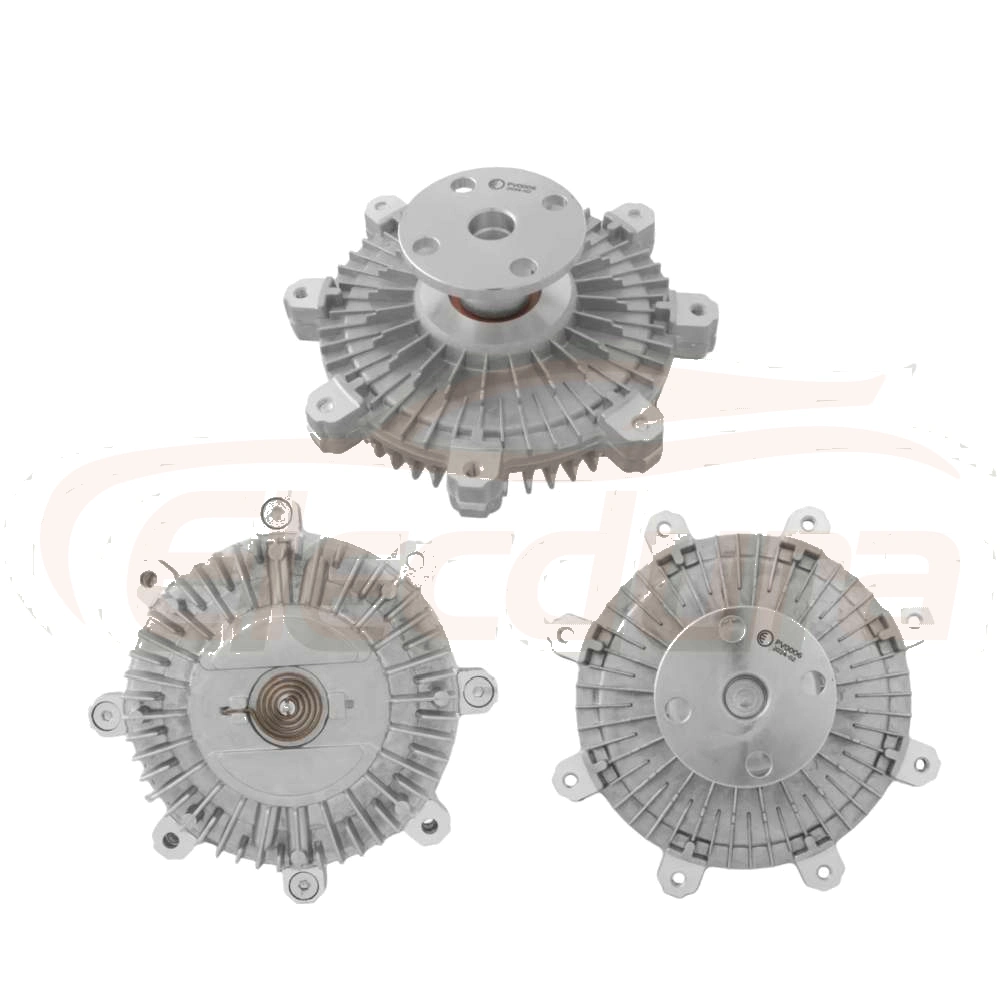
A physical image helps record external features, but it cannot confirm a heavy-duty match without application and dimensional checks.
The pilot, bolt pattern, fan mounting face, and offset position the fan within the shroud. A small error can affect clearance, airflow, belt tracking, or bearing load. Verify pulley diameter, groove location, number of belt ribs, tensioner travel, and alignment with the installed drive. The fan’s diameter and inertia matter because a large fan places a different torque demand on the clutch than a small blade assembly.
For pneumatic designs, confirm port location, pressure characteristics, hose routing, and what occurs during an air-supply interruption. For electronic designs, establish sensor inputs, signal requirements, command logic, and fault behavior. A sample evaluation should record the test condition, temperature or command state, engagement response, fan speed behavior, noise, leakage, bearing play, and clearance through the operating range. Review those observations with cooling-system behavior, not as an isolated bench result.
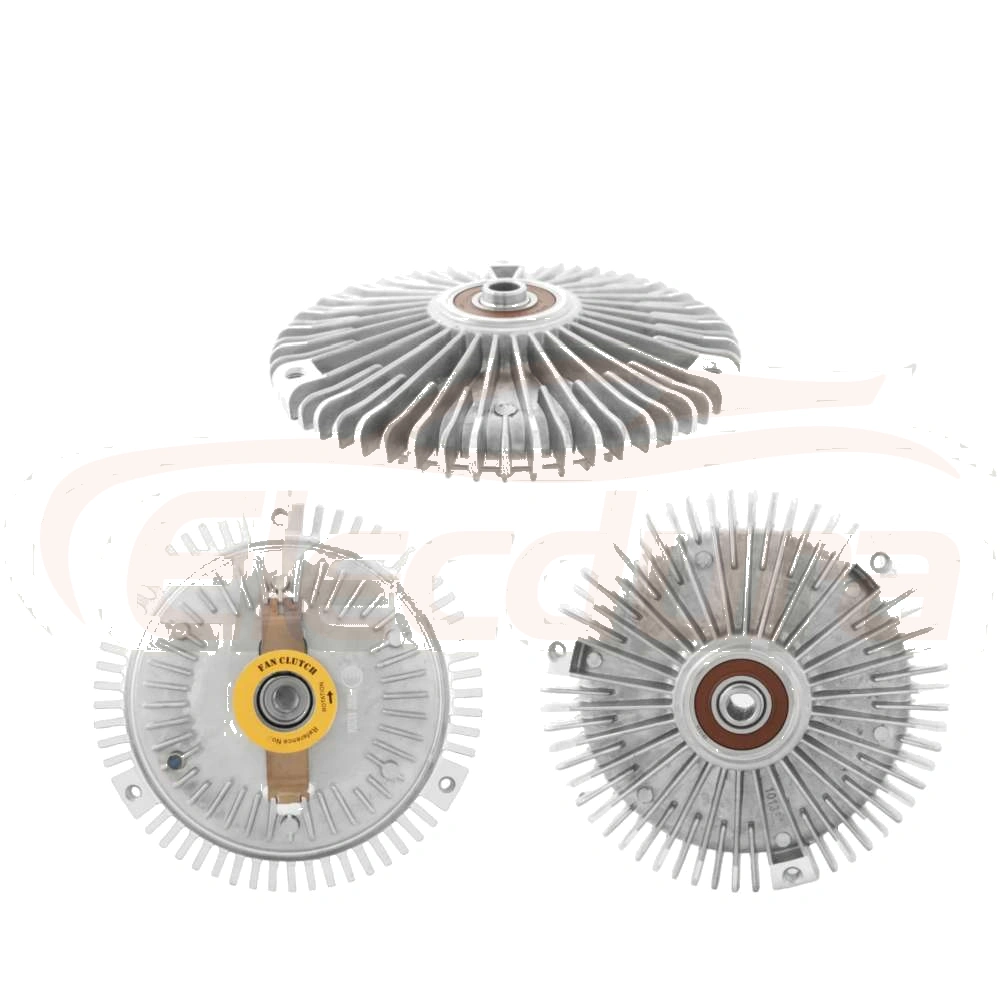
Document the hub, connector, and mounting interface against the actual vehicle before considering a substitute.
The same twenty names and numbering are retained below. They are research starting points, not a ranking of durability, price, service, or quality. Each entry gives a different due-diligence angle for a Colombia RFQ.
Elecdurauto: use an application-led inquiry: provide the removed reference, images, dimensions, quantity, destination, and required packaging. Confirm exactly what item is offered and which technical information accompanies that item before purchasing. Before committing, ask the quoting party to identify its role, the exact supply condition, available records, lead-time basis, and the contact who would receive a documented issue.
Horton: check the control architecture. Establish whether the proposed clutch is thermal, pneumatic, or another documented design, and confirm the command, air connections, and fail-state match the installed system. Treat commercial details as reference-specific: obtain the seller's legal trading identity, the offered condition, supporting paperwork, current fulfillment position, and escalation contact in the reply.
BorgWarner Kysor: focus on pneumatic integration. Air-port layout, fittings, hose routing, pressure requirements, and engagement behavior must fit the truck or equipment rather than merely resemble the removed assembly. Request a written quote that states who is supplying the part, what condition is being offered, which documents accompany it, when it can be dispatched, and where technical issues are directed.
Cummins: tie the inquiry to the complete engine arrangement. The engine name alone does not establish a clutch match; capture fan diameter, accessory drive, cooling duty, and the removed part number. For this inquiry, verify the actual seller, stated product condition, reference-specific documentation, quoted timing, and the process for reporting a discrepancy before placing an order.
MAHLE Behr: review the complete heat-management package. Radiator condition, shroud, air-conditioning load, belt drive, and airflow path can change the result of an otherwise correct-looking clutch. Do not assume a brand name answers the commercial questions; request the selling entity, condition statement, accompanying records, availability date, and a named route for post-delivery questions.
Nissens: ask for catalog control. Retain the exact offered number, application source, and any revision so replenishment can be checked against the sample rather than assumed identical. Keep the quotation auditable by recording the supplier of record, declared condition, catalog or fitment material provided, stock status at quote time, and the channel for resolving exceptions.
Valeo: examine engagement behavior. Request the stated temperature range or control logic and its technical basis, then validate the offered reference on the actual application. Ask the respondent to separate confirmed facts from assumptions: identify the selling business, proposed condition, documents supplied, current availability, and contact path if the delivered item differs.
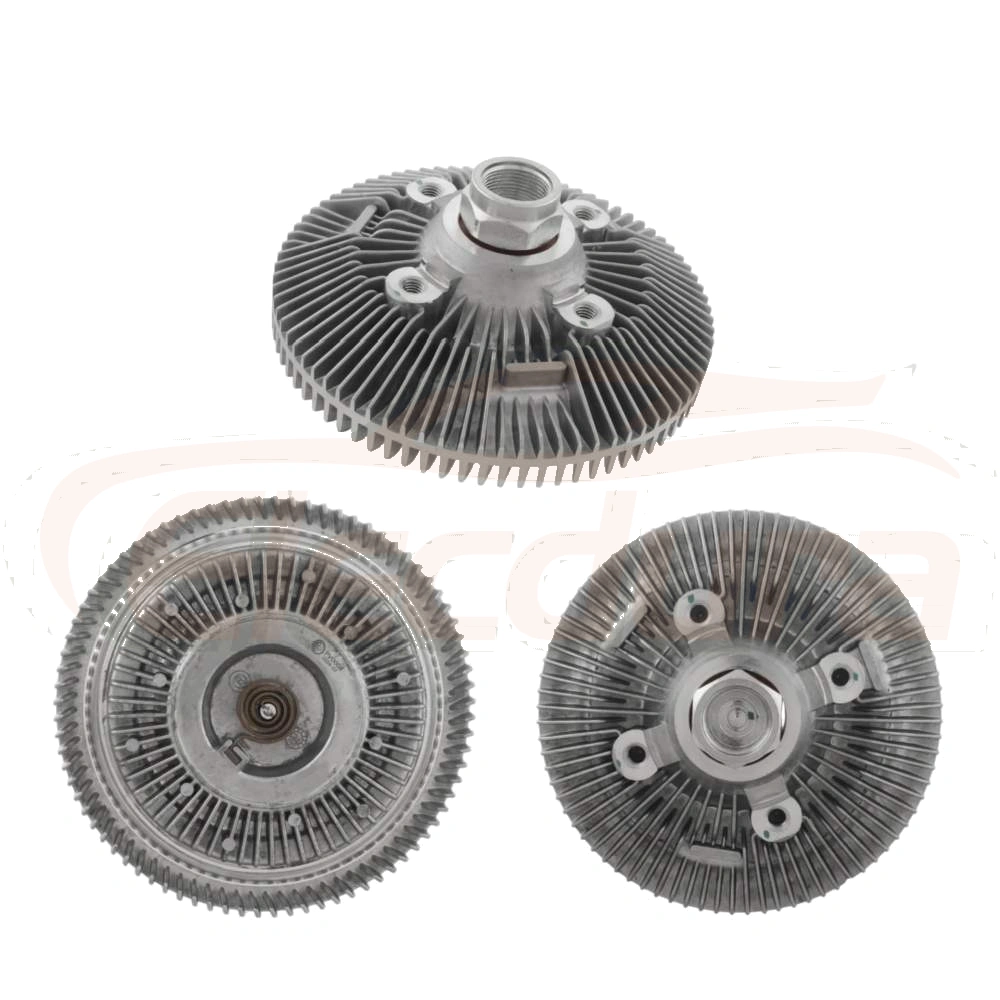
Use sample measurements to compare mounting depth and fastener geometry with the removed assembly.
Denso: make bearing and seal condition central to sample review. Dust, vibration, large fan loads, and underhood heat can expose problems that a static dimensional check misses. The buyer should obtain these details for the exact offer: who will invoice and support it, its stated condition, included records, estimated supply position, and the procedure for raising a concern.
Hayden: compare fan capacity to the real blade diameter and inertia. Nominal engine size is not enough; confirm rotation, shroud clearance, and the intended fan load. Tie the decision to the actual quotation by confirming the supplying organization, described condition, documentation offered, date basis for availability, and the appropriate after-sales contact.
GMB: request measurable mounting information in writing: pilot, bolt circle, flange depth, fasteners, and overall depth. Similar front views do not prove the same installed geometry. Put commercial verification in the request itself: ask for the seller's identity, product condition, dimensional or catalog evidence, stock or lead-time statement, and an issue-handling contact.
Aisin: separate a complete replacement assembly from repair or core discussion. Define the requested product clearly and obtain direct confirmation of any proposed repair path. Before approving a repair-related option, clarify who offers it, whether the item is new or otherwise described, what records are available, its delivery outlook, and how a mismatch is reported.
Four Seasons: prepare for claims before the order. Agree on the photos, installation facts, measurements, labels, and lot information needed if a clutch leaks, engages incorrectly, or arrives damaged. The order file should name the selling party, the condition stated for that reference, any supporting documents, the quoted availability, and the contact for a documented delivery or performance concern.
NRF: review packaging and handling across regional import routes. Protect the hub face, connector, air ports, and bearing area, and retain a shipment or lot identifier with the carton label. For every import offer, confirm the commercial counterparty, declared product state, supplied technical or packing records, current dispatch expectation, and the route for handling a shipment question.
TYC: treat forecast support as a current commercial question. A quote for one reference does not demonstrate supply for a fleet program, and it does not prove local inventory or representation. Seek a current, reference-level reply covering the seller of record, item condition, documents available, inventory or replenishment timing, and the person responsible for follow-up.
Dorman: check installation practicality. Fasteners, spacers, fittings, connectors, and instructions must be compared with the target chassis; a physical mount alone may still be incomplete. Ask the supplier to state in writing who is offering the assembly, what is included, its described condition, what fitment guidance exists, and how incomplete hardware or a problem will be handled.
AP Air: use the sample as an incoming-inspection exercise. Measure the pilot, pattern, offset, fan face, pulley relationship, and air or electrical layout before installation. Record the source of the sample, condition declaration, inspection information supplied, realistic order availability, and the named contact for a variance found during receiving or installation.
DT Spare Parts: audit every cross-reference. Mark the removed part reference, its source, and the proposed product number separately so an online suggestion never becomes an unsupported interchange claim. Keep the proposed interchange provisional until the respondent confirms its seller identity, stated condition, evidence for the offered number, availability, and route for resolving an incorrect match.
Fleetrite: ask how the precise application, documents, and later replenishment will be matched to the approved sample. A program label does not define a specific clutch configuration. For a program inquiry, obtain reference-specific confirmation of the selling organization, supply condition, supporting records, estimated availability, and ownership of questions after delivery.
Road Choice: compare the completeness of seller information: exact description, stated condition, dimensions, packing, reference support, delivery terms, and technical or claims contact. Use the comparison sheet to capture the exact vendor, declared condition, evidence attached to the offer, date-sensitive availability, and the contact point for an inspection or claim discussion.
Rockford Clutch: plan emergency demand without bypassing fitment. Confirm the exact reference, lead time, shipping identification, packaging, and technical contact before keeping an alternative on the list. An alternative remains only a lead until the proposed seller confirms the item condition, reference documentation, delivery position, packaging details, and who will answer a fitment or shipment question.
Regional import and distribution can add handling steps between source and workshop. Qualify the proposed seller by asking for the legal contracting entity, quotation validity, delivery terms, shipment origin as a current commercial fact, technical contact, claims contact, stated condition, and technical material for the exact reference. None of these questions establishes local presence or authorization; they make the transaction more specific.
A usable RFQ contains the vehicle or machine record, removed-part photos, fan and pulley details, dimensions, quantity, destination, packaging needs, and a request for an engineering drawing, catalog source, or other support for the offered part. It should ask for engagement temperature or control logic and the basis for that answer. Require a controlled pilot before a broader order where the application or source is uncertain.
At receiving, inspect outer cartons for damage, compare labels and markings with the purchase order, preserve shipment or lot identification, and measure the pilot, bolt pattern, depth, fan face, pulley relationship, and air or electrical interfaces. Photograph the sample before installation. Quarantine mismatches rather than allowing a transit issue, mixed reference, or design discrepancy to become a field failure.
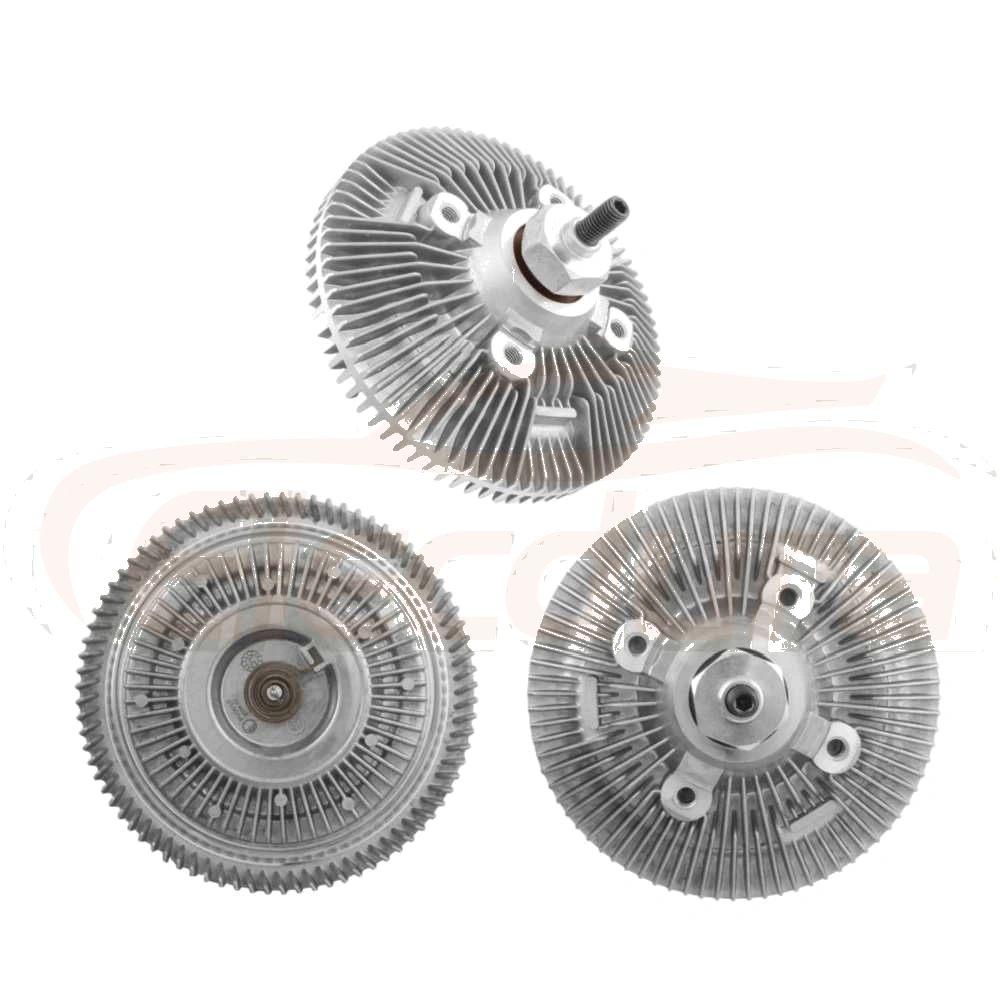
Receiving inspection should preserve label, measurement, and interface evidence for the delivered sample.
Group offers by confirmed clutch type and interface, not by name recognition. Eliminate candidates that cannot address the pilot, flange, bolt pattern, fan position, pulley and belt alignment, controls, or cooling duty. Then compare the remaining answers on exact product identity, stated condition, technical support, sample response, packaging, commercial terms, and a usable route for technical questions or claims.
For product-reference research, compare the installed unit with this fan clutch product page and this additional fan clutch reference. These pages are inquiry aids, not universal interchange statements. Send application details and RFQ requirements through the contact page when a quotation needs review.
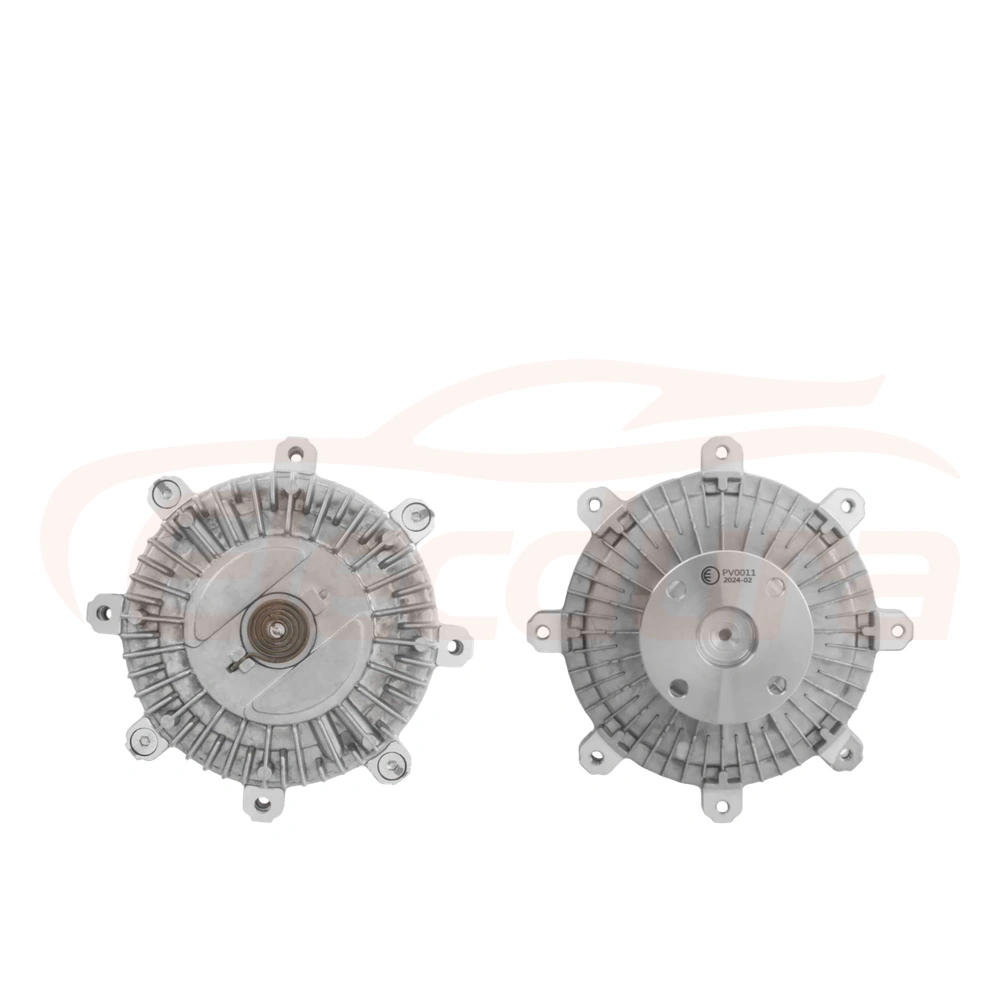
Keep photos and receiving measurements with the shipment record so later orders can be compared to the tested sample.
In Colombia, fan-clutch sourcing is an application exercise before it is a brand comparison. Freight fleets, buses, mining and construction equipment, agriculture, mountain routes, tropical heat, dust, and regional distribution all make fitment and control details important. The Top 20 is a research shortlist only; direct verification remains necessary for current manufacturing, distribution, territory, identity, documents, condition, and availability.
Start with the installed system, verify the drive and cooling interaction, qualify the seller with a precise RFQ, inspect the delivered sample, and validate it in its intended duty. Visit the Elecdurauto about page or the Elecdurauto website for further product research.
During a road or work-cycle trial, record route profile, elevation changes, ambient conditions, payload or machine load, air-conditioning use, engine temperature, fan engagement events, belt behavior, and any unusual noise. Compare the fan’s operating behavior on climbs, low-speed work, and return travel. This helps separate a clutch-control issue from a restricted radiator, damaged shroud, inadequate airflow path, slipping belt, or incorrect fan assembly.
Maintain the sample’s label, invoice, photographs, dimensional record, installation notes, and test observations together. If a later shipment differs in hub geometry, connector, packaging, markings, or function, stop and clarify the difference before release. The discipline is especially important where a distributor serves mixed fleets and regional workshops with similar-looking applications.
A buyer can improve the first RFQ by stating the operating problem without turning it into a diagnosis. Describe whether the complaint occurs on a loaded climb, in city traffic, during air-conditioning use, after a long idle, or only under a particular control command. Include the engine temperature evidence, service history, changes to the radiator or fan, belt condition, and whether the old clutch is locked, freewheeling, noisy, leaking, or physically damaged. These observations give a technical contact a defined problem to evaluate, but they do not replace dimensional and application confirmation.
In mixed Colombian fleets, one chassis family can carry different engines, fan diameters, shrouds, accessory drives, and control systems. Ask the workshop to photograph the front and rear of the removed clutch, fan mounting surface, pulleys, connector or air ports, and readable labels. Measure with a suitable tool rather than estimating from photos. Record whether the fan is bolted directly to the clutch, whether a spacer is present, and where the fan sits relative to the shroud. A supplier drawing should be compared point by point with this record.
Before installation, rotate the assembly by hand only in the manner appropriate to its design and inspect it for shipping damage, roughness, loose hardware, damaged threads, blocked ports, or damaged connectors. Do not infer operating condition from a single hand-turn test. During installation, ensure the correct fasteners and torque procedures are used, maintain clearance to the shroud and surrounding components, and verify belt alignment. After installation, observe the system through the operating conditions relevant to the equipment rather than declaring success after a short idle.
Keep the commercial file equally clear. The purchase order should identify the exact offered reference, quantity, packaging, labeling, delivery terms, and documents requested from the seller. At incoming inspection, compare the carton and part markings with the order and sample record. If a shipment is substituted, partially labeled, or inconsistent with the approved sample, set it aside for clarification. This protects distributors from passing an uncertain item into a workshop channel where diagnosis becomes more difficult.
For regional distribution, ask how the supplier intends to identify shipment lots and handle transit damage, missing components, or technical questions. Preserve original packaging and label photos where possible. If a workshop reports a failure, capture vehicle identity, installation date, operating conditions, cooling-system observations, photos, and the part’s shipment identifier before removing or discarding evidence. This does not establish a claim outcome, but it provides a factual starting point for the seller and avoids a conversation based on an untraceable part.
Finally, use the same worksheet for each candidate. It should separate confirmed facts from open questions: installed reference, measured geometry, drive type, controls, cooling duty, seller identity, documents supplied, sample result, and current commercial terms. That format lets a Colombia buyer compare alternatives without treating a familiar name, a low quote, or a catalog search result as a substitute for direct verification.


