ELECDURA NETWORK

Your Whole New Supply Chain For Heavy-Duty Parts
Whatsapp:
+86 18915027366
Phone:
+86 18915027366
Views: 0 Author: Site Editor Publish Time: 2026-08-28 Origin: Site
Czech buyers of truck, bus, industrial-diesel, and agricultural fuel filters need more than a directory. Central European transport, winter starts, high-pressure common-rail systems, and mixed maintenance fleets make the exact assembly more important than the name on the carton. A quoted spin-on, cartridge, separator, or housing must be checked against the engine, filter head, service interval, and fuel-system configuration before it is bought.
This Top 20 is a Czech sourcing-research shortlist, not a performance ranking. Its numbers do not state quality, Czech manufacturing, Czech stock, certification, authorization, or genuine/OE status for any company. Confirm current manufacturing or distribution responsibility, territory, product identity, and technical documents directly with the proposed seller. Buyers can start an aftermarket comparison with Elecdurauto fuel filters, then use the same questions for every offer.
A Czech buying program may support road haulers, municipal buses, construction equipment, farm machinery, stationary diesel units, and workshops serving cross-border traffic. Their duty cycles and maintenance windows differ. State the old reference, engine or machine family, annual quantity, destination, packaging, and whether the request is for a primary filter, secondary filter, separator, or complete module.
Use the installed part and its interfaces as the starting point for a sourcing inquiry.
A primary stage commonly handles coarse contamination and free-water control before fuel reaches downstream equipment; a secondary stage is often selected for cleanliness nearer the injection system. Those are functional descriptions, not a substitute for the engine maker's specified layout. Do not assume that a primary element can replace a secondary element because threads, height, or a reference family look familiar.
For modern common-rail service, cleanliness, restriction, and flow capacity are connected. A micron or efficiency claim is useful only with a test method, particle size, efficiency expression, test fluid, and flow conditions. A water-separation percentage also needs its method and conditions. Ask for the document revision and confirm that it covers the offered part number rather than a broad product family.
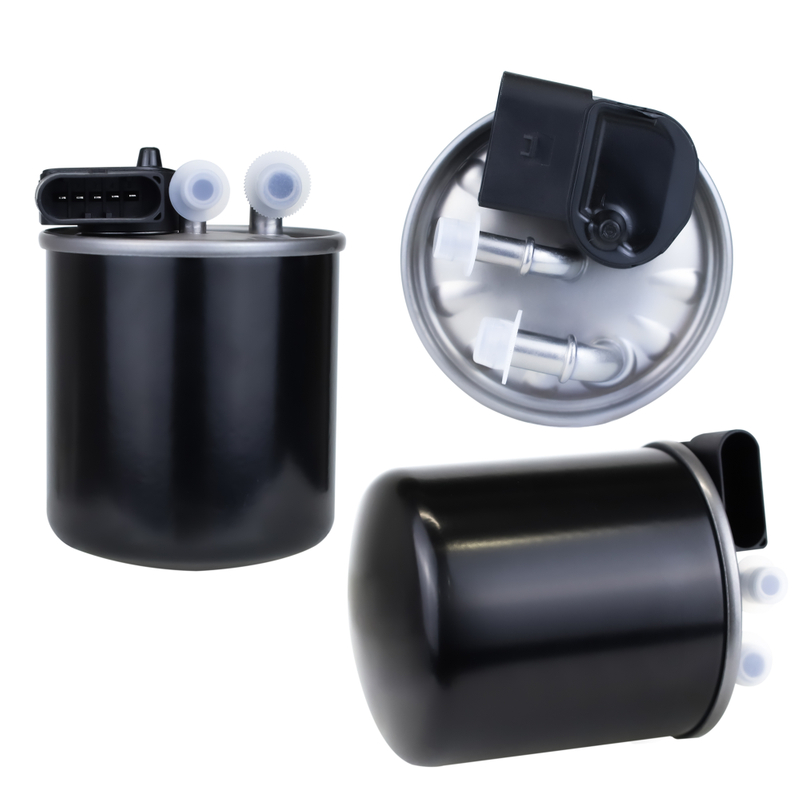
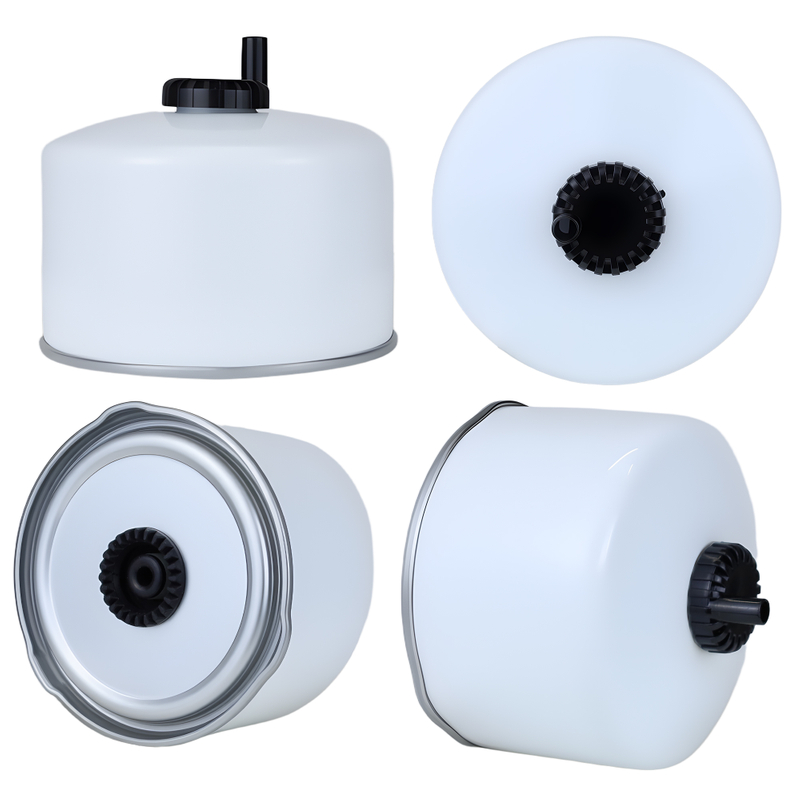
Czech winter use adds checks that are easy to miss in a catalog comparison. Inspect the bowl, drain, heater, water-in-fuel sensor, connector, mounting points, and seal materials on the actual assembly. A replacement may need a sensor port, heater interface, bowl, or specific O-ring profile; none should be inferred from a photo. Confirm media and seal compatibility through the supplier's current documents.
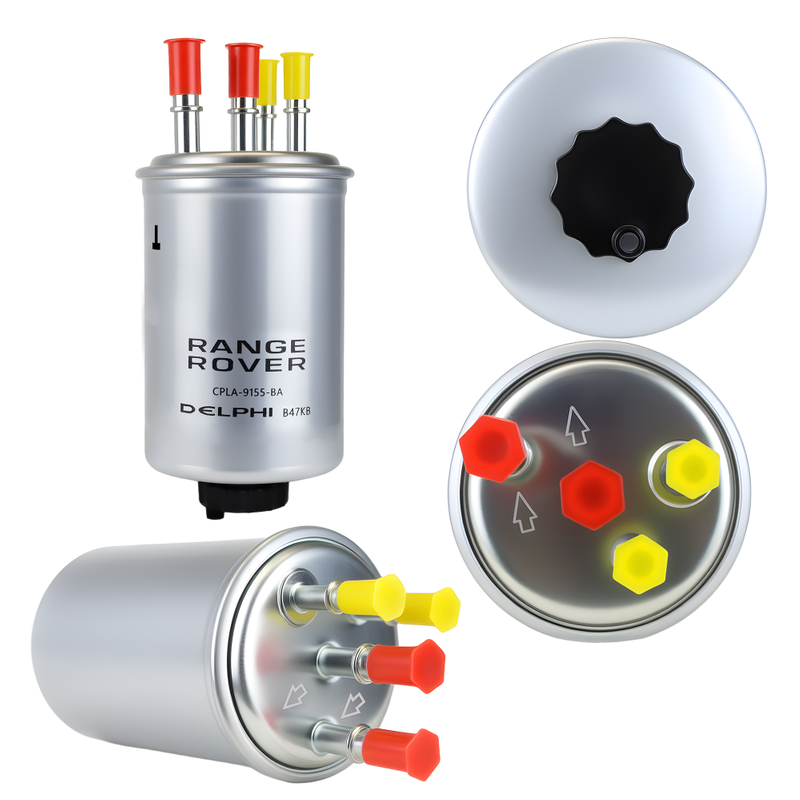
Part number, lot code, country marking where shown, and every carton label.
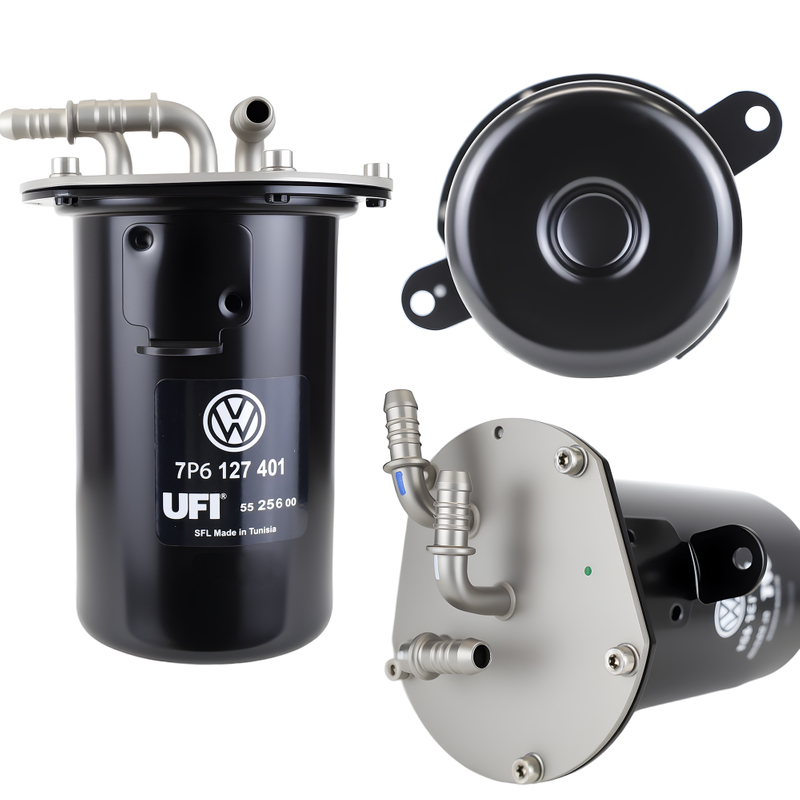
Dimensions, thread or cartridge geometry, standpipe position, gasket size, and housing contacts.
Any micron, efficiency, water-separation, flow, or restriction figure with its named method.
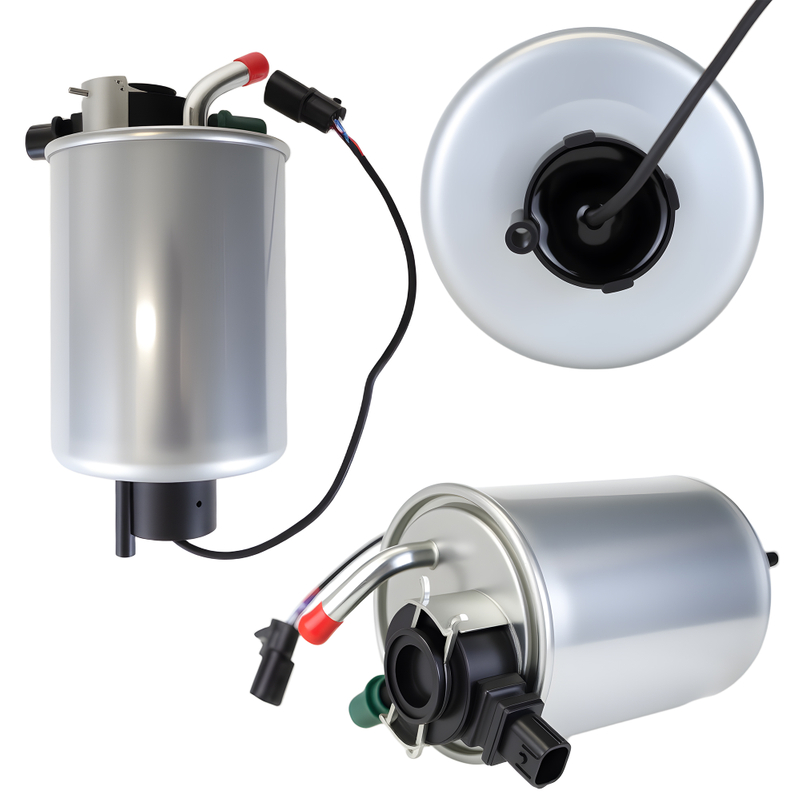
Heater, sensor, bowl, drain, connector, and seal interfaces compared with the removed assembly.
European cross-references are useful search tools, not proof of fitment. Trace each reference to the quoted manufacturer or distributor catalog, then compare the application note, housing version, and service instructions with the equipment in hand. An OE reference can identify a service target, but it does not prove an aftermarket part is genuine, approved, or interchangeable.
For an importer serving Czech workshops, qualification also includes the commercial route. Identify who invoices the goods, who provides documents, which territory the offer covers, and how a discrepancy is handled. Ask whether cartons and inner packs carry usable part and lot identification. Retain the approved sample, images, measurements, and document revisions so incoming inspection can flag a changed seal, bowl, media construction, label, or packing format.
Verify housing and interface details against the exact service assembly.
The following set retains the original numbering. These are research candidates that may be relevant to a Czech inquiry; the list does not confirm a local factory, active distributor, stock, certification, award, or availability. Each entry has a different due-diligence focus for direct manufacturer or distributor contact.
Use Elecdurauto as the article's aftermarket inquiry route, not as proof that a particular filter is OE or genuine. Send the old number, equipment details, clear photos, measured interfaces, quantity, and Czech delivery point. First confirm whether the proposal is a primary filter, secondary filter, separator, or assembly and whether its housing, sensor, bowl, and seals match the service case.
For Donaldson, request documents identifying the exact offered element and distinguish an efficiency or restriction statement from a range claim. Match the stated flow conditions to the engine duty rather than treating a nominal micron figure as a universal answer. Confirm who currently quotes the item into the intended territory and who can answer application or document questions after delivery.
With Fleetguard, focus on traceability from quotation to warehouse. Ask for the part-number format, label examples, lot identification, and a current source for the cross-reference. During sample receiving, compare gasket profile, center tube or standpipe, and drain or sensor provisions with the removed unit. Packaging review does not establish technical fitment.
A MANN-FILTER inquiry should make the filter-head and cartridge interface explicit. For a spin-on unit, check thread pitch, sealing land, height, and any sensor connection. For a cartridge, inspect cap, cage, end-cap, and O-rings. Obtain current application support directly; a familiar brand reference does not establish that a particular Czech vehicle or machine uses that configuration.
For Baldwin Filters, make water management the central question. Ask whether the offered part is intended to separate water, where water is collected or drained, and which bowl or sensor arrangement it needs. If a separation result is supplied, retain its test-method context. Verify the quoted article's distribution route and documentation source before ordering.
Parker Racor research should start with the complete fuel-conditioning layout. A program may involve a head, element, bowl, drain, heater, primer, and water-in-fuel sensor rather than a simple replacement filter. Ask for an assembly drawing and service instructions for the quoted part. Confirm that accessories are included, excluded, or separately specified.
For Sakura Filter, test the cross-reference before comparing price. Provide the original number and equipment information, then ask which catalog source links it to the proposal and which dimensions were checked. A useful response distinguishes a direct application from a possible match. Ask how a revised reference, carton, or source document would be communicated for reorder control.
GUD Filters warrants a cold-weather interface review. Confirm whether the application needs a heater, sensor port, drain, or bowl and whether the proposed filter accepts the existing electrical and mechanical connections. Do not assume a similarly shaped element supports the same wiring or seal arrangement. Request current distribution and technical-contact details directly for the purchase channel.
For Hengst, concentrate on media and seal compatibility documents. Ask what information is available for the element's materials, service environment, and installation requirements. Inspect the sample for seal count, cross-section, and seating surfaces, especially where a cartridge includes several O-rings. Claims about durability, filtration efficiency, or compatibility should remain tied to a stated test or document.
A MAHLE quote should be checked for restriction and flow context. If a clean pressure-drop value is supplied, record the flow rate, test fluid, temperature, and part number. Compare it to the service case with technical support rather than assuming a lower number is always better. Establish whether the source can supply current documents and identify the responsible seller for the Czech destination.
For Bosch, give special attention to common-rail cleanliness claims. Ask whether a filtration rating applies to the complete filter, its element, or another configuration. Review engine and housing fitment separately from that rating. Verify the seller's territory and product identity directly, because a logo or listing alone does not establish present supply authorization or the origin of the offered article.
With UFI Filters, make the service interval an evidence question. Obtain the intended application and maintenance guidance for the exact reference, then compare it with the vehicle, machine, fuel quality, and duty cycle. Avoid creating a universal interval from a catalog listing. Sample checks should include end-cap finish, seal-kit contents, packaging traceability, and current installation instructions.
For WIX Filters, evaluate how the supplier responds to a dimensional discrepancy. Provide measured thread, gasket, height, and standpipe information, then ask for a drawing or controlled catalog information for the proposed item. A credible comparison records differences rather than hiding them behind a cross-reference. Before a pilot order, agree on the review process if an incoming sample differs.
FRAM research should focus on packaging identity and private-label ambiguity. Confirm the brand, part number, product line, seller, and documents applicable to the offer. Inspect whether cartons, labels, and inner packs connect incoming pieces to the purchase order and sample. Do not infer a factory or Czech distribution arrangement from packaging appearance; verify both directly.
Sample inspection should compare the actual element and interfaces with the service case.
For Sogefi, examine change control over a repeat-order horizon. Ask how a revised part, superseded reference, altered gasket kit, or changed carton is identified. Retain the document revision and sample photos with the purchase record. This does not promise a change notice; it identifies a point to confirm in writing for a distributor that needs stable inspection criteria.
HIFI FILTER due diligence should separate product identity from remote-service convenience. Request the technical sheet, application basis, and part-number confirmation, then ask who handles a fitment question in the sale territory. For equipment using a bowl or sensor, compare the complete service assembly. A quick quotation is not enough if interfaces or distribution responsibility cannot be established.
For FILTRON, use a receiving-inspection pilot rather than catalog data alone. Examine the first lot for part number, carton information, dimensions, gasket set, visible construction, and any sensor or drain feature. Compare observations to the purchase specification and saved sample. If a performance figure is supplied, file its test-method context. Confirm channel and document availability before a larger order.
Purflux research should center on housing fitment and installation instructions. A reference match may not include the correct cap, seal placement, locating feature, or tightening procedure. Ask for instructions for the proposed part and preserve them with the purchase file. Verify that the offered line, distributor territory, and product status are current; do not treat a historical catalog relationship as availability.
For Sure Filter, make source transparency the priority. Request the offered reference, selling company, document source, and contact who can resolve an application or quality question. Compare the actual sample to stated dimensions and seals before including it in a Czech program. A claim about capacity, efficiency, or water handling needs a document tied to the article and conditions.
With JS Asakashi, focus on sample-to-lot consistency. Ask how the seller identifies lots and whether the packing format, reference, and seal contents can be repeated. Inspect a sample before scaling the order, then use saved photos during subsequent receiving. Confirm the current manufacturing or distribution contact, intended territory, and accessible documents directly instead of assuming an old reference is unchanged.
A useful sample review separates what can be inspected in a Czech warehouse from what must be supported by controlled test data. Inspect visible media construction only as an identity check; appearance cannot prove filtration efficiency, dirt-holding capacity, or water separation. Compare the supplied element, end caps, center tube, bonding, seals, and interfaces with the approved sample and the stated application. If a supplier changes a media description or seal set, ask whether the offered part number, document revision, and fitment basis have changed as well.
Restriction also deserves a practical review. A filter can look correct yet produce an unsuitable pressure drop for the system if its rating, flow conditions, or service role differ. Record any clean restriction figure with the test flow, fluid, temperature, and configuration. Then ask technical support to assess the result for the target engine and primary or secondary position. Do not make an installation decision from a micron number or a pressure-drop value in isolation.
Before a Czech distributor accepts repeat stock, compare incoming cartons with the approved sample and purchase order. Check outer and inner labels, part number, lot code, quantity, seal kit, thread protection, drain or sensor fittings, and damage that could affect clean handling. Keep photos and findings with the RFQ. When an item differs, quarantine the affected pieces, identify the seller and lot, and request a documented explanation before it is released to workshops or fleet maintenance teams.
Visible details support identity and interface checks; performance claims still need test-method context.
Also review how the filter is protected in transit and stored before installation. Moisture, crushed cartons, damaged threads, loose caps, or missing protective plugs can undermine an otherwise correct order. Receiving staff should record the condition of the shipment, retain affected packaging, and compare the delivered quantity and labels with the purchase order. This simple record helps separate transport damage, picking mistakes, and genuine product differences when a workshop reports a problem.
Send the same structured request to every candidate so quotations can be compared fairly. Include old filter and OE references as identifiers, but require the seller to confirm fitment. State equipment model, engine, fuel-system details, primary or secondary role, quantity, delivery city, requested documents, and any bowl, heater, or sensor interface. Request photos, dimensions, packaging information, and test data for the exact part number.
For a pilot lot, inspect several received pieces against the approved sample. Check carton and inner-pack identity, part and lot marking, gasket kit, threads or cartridge ends, standpipe, seals, drain, bowl, and electrical interfaces. Record differences before installation. When micron efficiency, water separation, flow capacity, or pressure restriction is claimed, file the test method and conditions; a bare number is not a usable comparison.
Exact manufacturer or distributor contact, quote date, territory, and offered part number.
Application evidence, housing and OE-reference fitment notes, and primary or secondary role.
Dimensions, media and seal information, heater/sensor/bowl interfaces, and installation requirements.
Test method, conditions, revision, and article identity for every performance claim.
Packaging, traceability, sample findings, delivery terms, and contact for discrepancies.
The useful outcome from this Top 20 is a shortlist that exposes unanswered questions early. It does not certify brands or declare a winner. A truck operator, bus workshop, agricultural distributor, or industrial-diesel buyer can reduce avoidable fitment and supply risk by checking the filter role, housing interfaces, documents, delivery route, and incoming condition before repeat orders.
For reference-led inquiries, compare the old part with this fuel filter listing and this additional fuel filter listing, while treating both as starting points for direct confirmation. Send details through the Elecdurauto contact page. Buyers can also review Elecdurauto's company information and the Elecdurauto catalog.
Lot and packaging checks help compare later deliveries with an approved sample.