
English
Views: 0 Author: Site Editor Publish Time: 2026-08-28 Origin: Site


Brazilian buyers of heavy-duty solenoid valves need a shortlist that starts with the job, not the logo. Long-haul trucks and buses may see high operating hours and road vibration; agricultural, mining, and construction equipment can add heat, dust, moisture, and long periods between planned service. A valve that appears similar in a catalog can still have the wrong medium, ports, coil, seals, or electrical logic for the machine in front of the technician.
This Top 20 is a Brazil sourcing research shortlist, not a performance ranking or an endorsement of any company. It retains the word “manufacturers” because that is a common commercial search term, but a named company or brand may be encountered through a manufacturer, an importer, a distributor, or another supply route. Current manufacturing responsibility, territory, product identity, documentation, availability, and any genuine or OE claim all require direct verification with the quoting party.
Use the names below to structure an RFQ and compare answers against the actual failed component. Ask for the old number, application, photos, dimensions, voltage, fluid or air medium, required quantity, destination, and delivery target. The strongest first question is simple: what exactly does this valve control, and what evidence shows that the offered part matches that duty?
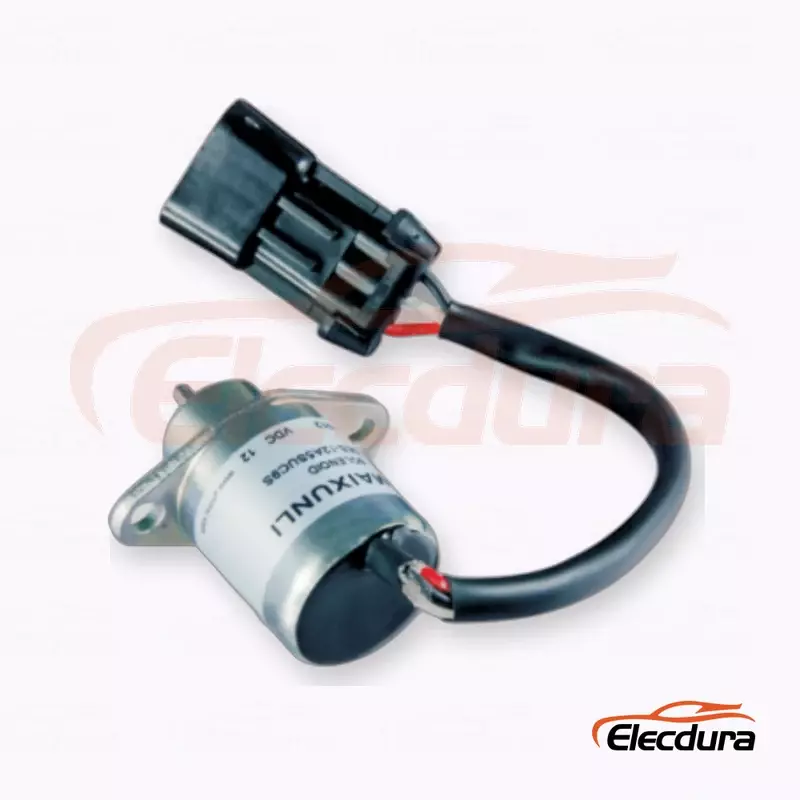
A physical reference helps the buyer discuss the actual valve rather than a broad product family.
A solenoid valve uses an energized coil to move a plunger or armature and open, close, or redirect a flow path. The medium may be air, fuel, oil, coolant, water, refrigerant, or another specified fluid. That basic description matters because the same external shape can serve a shutdown circuit, a pneumatic control, a hydraulic manifold, or an auxiliary system with very different pressure, temperature, and contamination demands.
Start with the switching logic. A normally closed valve blocks flow without power and opens when energized; a normally open valve does the opposite. Neither is inherently preferable. The correct choice depends on the system’s fail-safe behavior, wiring, and control strategy. Confirm the number of ports, port layout, thread standard, or manifold interface before comparing a quote. Also confirm whether the valve is direct acting, pilot operated, or part of a larger assembly.
Valve function, medium, normally open or normally closed logic, port count, port/thread size, and flow direction.
Orifice and flow requirement, stated pressure range, allowable back pressure, and whether the quoted conditions match the application.
Seal and body materials, fluid compatibility, ambient and media temperature limits, and contamination tolerance.
Coil voltage, AC or DC supply, power consumption, connector style, duty cycle, response expectation, and manual override if required.
A reference number is useful, but it is not a substitute for inspection. Photograph markings, connector orientation, threads, mounting points, and any manual override. Where possible, measure the removed part and record the failure mode. This gives suppliers a defined target and helps the purchaser separate a documented interchange from a visual guess.
Brazil’s diverse operating conditions make application details especially important. Highway fleets may place value on predictable service intervals and quick replacement. Urban buses may cycle frequently. Agricultural machines and construction or mining equipment can encounter fine dust, moisture, vibration, heat, and variable idle time. These are application questions, not blanket claims about any brand or source.
Ask the seller to connect the quoted part to its stated medium and conditions. For example, an elastomer suitable for one oil, fuel blend, or pneumatic circuit should not be assumed suitable for another. Likewise, a coil’s voltage and power should be checked against the electrical system and connector actually used on the vehicle or machine. A catalog maximum is not enough unless the stated test conditions are relevant to the purchase.
What temperature range is documented for the valve body, coil, and specified medium?
Which seal material is quoted, and is compatibility documented for the customer’s fluid?
Does the application require filtration or a stated cleanliness level before the valve?
What is the expected response behavior at the supplied voltage, and is continuous duty required?
Before a volume order, request samples identified to the quotation. Check ports and threads with the intended fittings, inspect the connector and cable clearance, and test switching at the specified voltage. Test for leakage and response using a safe procedure appropriate to the medium and pressure. Record the sample label, lot information where supplied, test conditions, observations, and any deviation; do not translate a successful bench test into an unverified claim about every field environment.
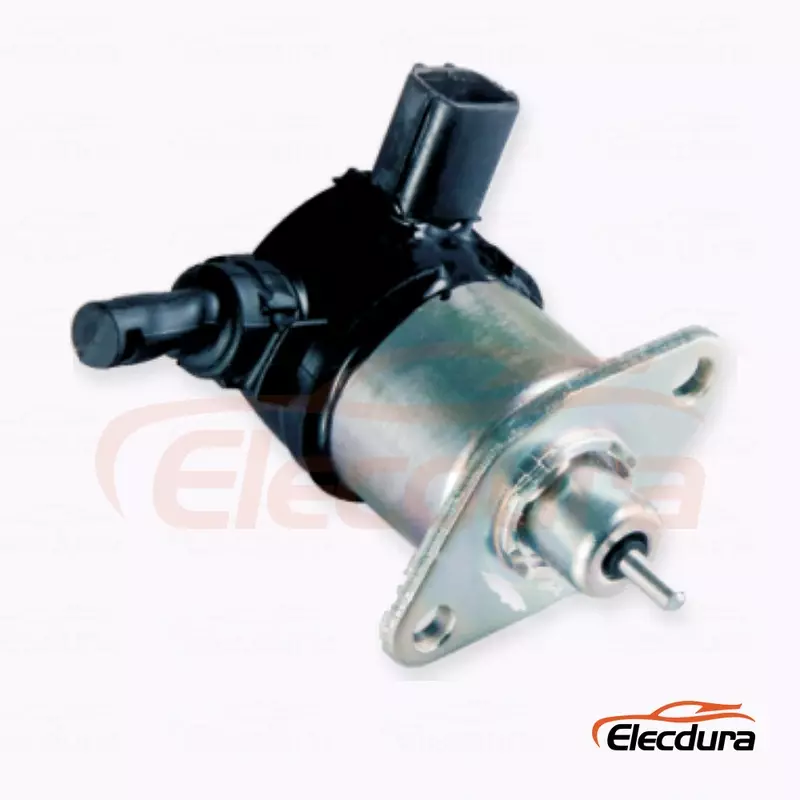
Use a sample inspection to confirm interfaces, markings, and electrical details before a larger purchase.
For Brazil sourcing, technical fit and supply execution have to be reviewed together. A quotation should state who is selling the part, who will handle the shipment, whether stock is being offered or an import lead time is being quoted, and who will manage a claim. Do not infer a Brazilian warehouse, service office, factory, or authorized channel from a company name, web listing, or distributor conversation.
Ask importers and distributors for the specific commercial facts needed for the order: quoted quantity, packing configuration, labeling, origin information supplied with the goods, delivery terms, lead-time assumptions, warranty terms, and the process for a shortage, damaged carton, or suspected mismatch. For recurring purchases, ask how a change in source, design, label, or packing will be communicated before shipment.
Match carton labels, part number, quantity, and revision or lot markings against the purchase order and packing list.
Inspect packaging for moisture damage, crushed connectors, missing protective caps, or mixed references.
Check a sample of port/thread dimensions, connector type, markings, and manual override configuration against the approved sample or drawing.
Quarantine discrepancies, keep photos and records, and agree on the claim path before installation.
State the application, requested configuration, documents required with the quote, target delivery location, and acceptance checks. Ask suppliers to flag any assumption or alternative. This approach makes a comparison useful even when one candidate can provide a detailed datasheet and another can provide only a commercial description.
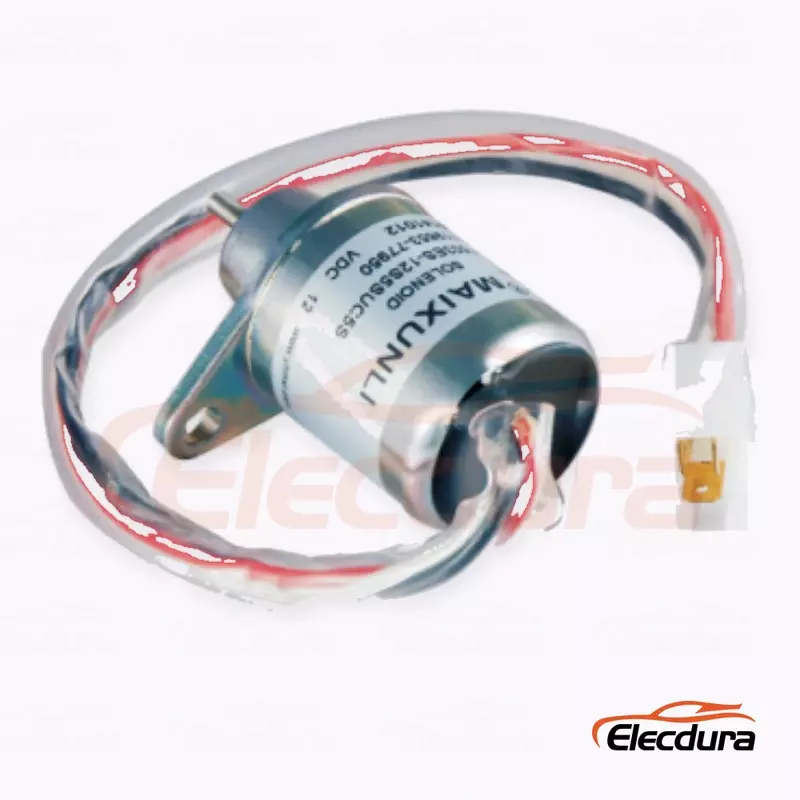
Packaging and part identification should be checked against the purchase order at receipt.
The following numbered list is a research starting point for Brazil buyers. The order is retained from the existing page and is not a measure of quality, output, product performance, market share, or Brazil presence. Each entry highlights one due-diligence angle so a purchaser can make the next question more specific.
For Elecdurauto, begin with the application record: OE or aftermarket reference supplied by the buyer, equipment details, photos, dimensions, electrical requirement, quantity, and destination. Ask for the exact product identity and available documentation for the quoted item. First position identifies the site’s own sourcing route; it does not represent an independent ranking or a claim of genuine or OE status.
For Bosch Rexroth, make the manifold and hydraulic interface the first review point. Request the drawing or dimensional data for the quoted valve, including cavity or port details, pressure range, and coil specification. Then verify which legal seller is quoting it, what documentation accompanies the order, and whether the offered part is the exact configuration required.
For Parker Hannifin, center the inquiry on medium and seal compatibility. Ask the quoting party to identify the material information available for the proposed valve and relate it to the buyer’s fluid, temperature, and pressure conditions. Keep that separate from questions about territory, stock location, lead time, and responsibility for a warranty or claim.
For Eaton, focus on system context rather than a request based only on a name. Provide the equipment type, circuit function, original number, and mounting or port information. Request a clear statement of the quoted valve’s function, flow and pressure data, coil details, and any cross-reference basis. Verify the seller’s current supply route and delivery commitment directly.
For Danfoss, make change control part of the discussion. Ask whether the quoted reference has an identifiable revision, drawing, or configuration record, and how an alternative would be disclosed. For a repeat order, require the seller to identify any change to the component, packaging, country of origin information provided, or supporting documents before shipment.
For Buerkert, examine electrical and process details closely. Confirm the coil voltage, supply type, connector, power, duty cycle, valve logic, and medium. Ask which of those values are documented for the specific quotation rather than inferred from a broader family. Directly verify commercial availability and support arrangements for the required territory.
For SMC, use a pneumatic control checklist where relevant: operating medium, filtration expectation, port size, flow requirement, pressure, voltage, response need, and mounting. Ask whether a manual override is present and whether that configuration matters to maintenance. The importer or distributor should also identify who will handle an incorrect configuration or shipping discrepancy.
For Festo, put contamination management on the RFQ. Describe the air quality or environmental conditions as accurately as possible, then ask what limits or installation guidance are available for the exact product. Do not assume a listing establishes use on a particular truck, bus, or machine; obtain fitment and supply facts from the party making the offer.
For ASCO, prioritize valve logic and porting. Confirm whether the design is normally open, normally closed, or another configuration, and document the flow direction and thread standard. This prevents a seemingly close substitute from changing the system’s fail-safe behavior. Request a drawing, itemized description, and clear commercial terms for the actual quote.
For IMI Norgren, review the service environment and maintainability. Ask what product-level information is available for connector access, coil replacement where applicable, manual override, and ingress or environmental considerations. Any claimed availability, distributor status, or repair support should be confirmed with the current seller rather than assumed from the brand name.
For Aventics, use the inquiry to test document discipline. Ask for the exact reference, technical data available, drawing revision if available, and packaging label format. Compare that information with the removed component and the purchaser’s receiving checklist. A missing field is a question to resolve, not a reason to fill the gap with a broad family description.
For HydraForce, concentrate on hydraulic cavity and cartridge details. The buyer should provide the cavity, thread, seal, pressure, flow, and coil requirements, then ask the seller to identify the offered configuration. Confirm that the sample, quotation, and production-order description use the same reference so that a later substitute is visible before it reaches receiving.
For Sun Hydraulics, review flow path and pressure behavior with the circuit owner. Ask for the reference, function, pressure conditions, cavity or port arrangement, and coil data. If the buyer expects repeat purchases, request advance notice of any product identity or packing change. Separately verify current commercial terms, delivery route, and documentation for Brazil.
For HAWE Hydraulik, focus on the complete assembly context. A valve may be only one element within a hydraulic system, so clarify whether the RFQ concerns a standalone valve, coil, cartridge, or assembly. Request exact drawings and identification for the offered item, then confirm price, lead time, and claims responsibility with the seller.
For Magnetbau Schramme, investigate the electromagnet portion of the requirement. Confirm the electrical supply, duty cycle, power, connector, mounting, temperature conditions, and actuation requirement. This is especially useful when the buyer is replacing a coil or actuator rather than a complete fluid-control valve. Validate product identity and supply details before ordering.
For Kendrion, make the interface between mechanical movement and electrical input explicit. Ask for the operating voltage, stroke or actuation information where relevant, mounting, connector, duty cycle, and thermal data available for the offered part. Require the seller to distinguish an exact reference from an alternative, then review packaging and traceability expectations for the lot.
For Knorr-Bremse, treat braking or vehicle-control applications with additional caution. Record the vehicle details, original reference, circuit role, air connections, electrical connector, and fail-safe logic before requesting a quote. Do not infer interchangeability, approval, or genuine status. Seek direct confirmation from the seller for the item, documentation, and order terms.
For ZF WABCO, ask how the offered part is identified within the vehicle system. The RFQ should state the machine or vehicle, system function, reference number, ports, connector, voltage, and required documentation. Compare every answer with the original component and verify the current sourcing channel, product condition, and claim process before release.
For Haldex, make installation geometry and application matching central. Request photos or drawings that show mounting, fittings, electrical connection, and any required accessories. Ask the seller to state what the quoted part is intended to do, instead of accepting a generic “solenoid valve” label. Confirm stock, shipping, and returns terms directly for the proposed order.
For Continental, use a disciplined quote comparison. Request the item number, description, dimensions, electrical data, stated operating limits, packaging information, and documentation available with the shipment. Match those details to the requested application, then verify the identity of the seller, the purchase route, delivery timing, and responsibility for a nonconforming item.
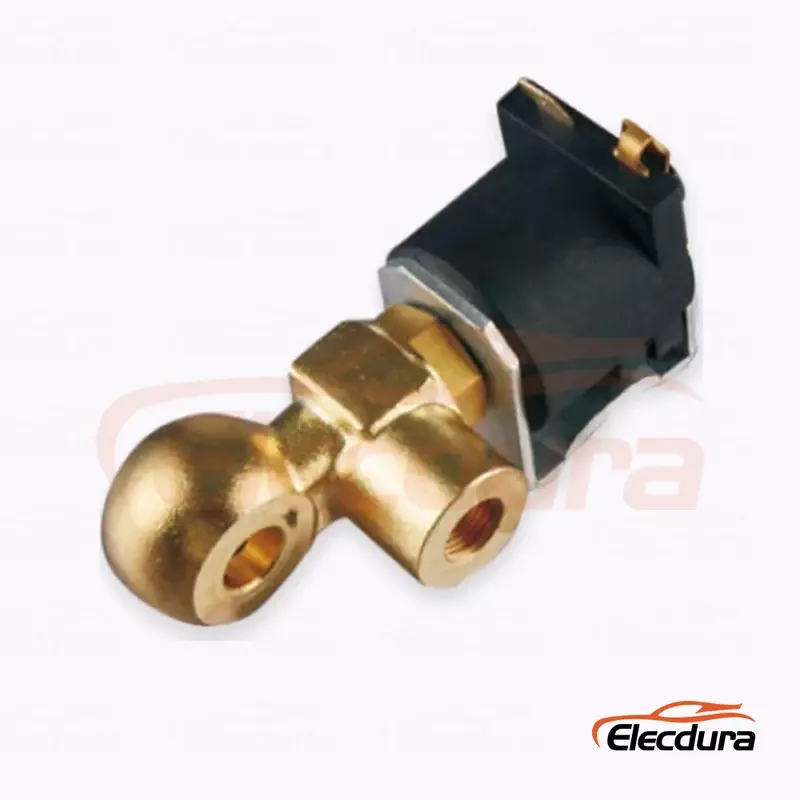
A defined sample and quotation record makes brand comparisons more useful for the buyer.
Send the same technical pack to each viable source. Include the reference and photos, application and medium, valve logic, ports or threads, pressure and flow requirement, seals, coil voltage and connector, duty cycle, temperature range, quantity, packaging request, delivery location, and requested documents. Invite the supplier to identify assumptions and alternatives in writing rather than silently substituting a part.
Score the responses on fit to the stated application, completeness of product information, sample result, commercial clarity, packaging, traceability information supplied, and the claim path. Price belongs in the comparison, but it should not erase a missing port, wrong logic, unsuitable seal, unknown coil, or unclear warranty. For a new source, a controlled order is often more informative than a large first commitment.
The approved quotation, reference, drawing or datasheet, sample photos, and buyer’s acceptance observations.
Part and carton labels, packing list, quantity, shipping documents, and any lot or date markings supplied.
Receiving records, nonconformance photos, claim correspondence, and the disposition of returned or quarantined goods.
Any agreed rule for notifying the buyer before a change in source, component configuration, label, packing, or documentation.
For application-oriented discussions, buyers can review a hydraulic solenoid valve reference and a fuel shutdown solenoid reference. These pages support identification work; they do not by themselves prove interchangeability for every application.
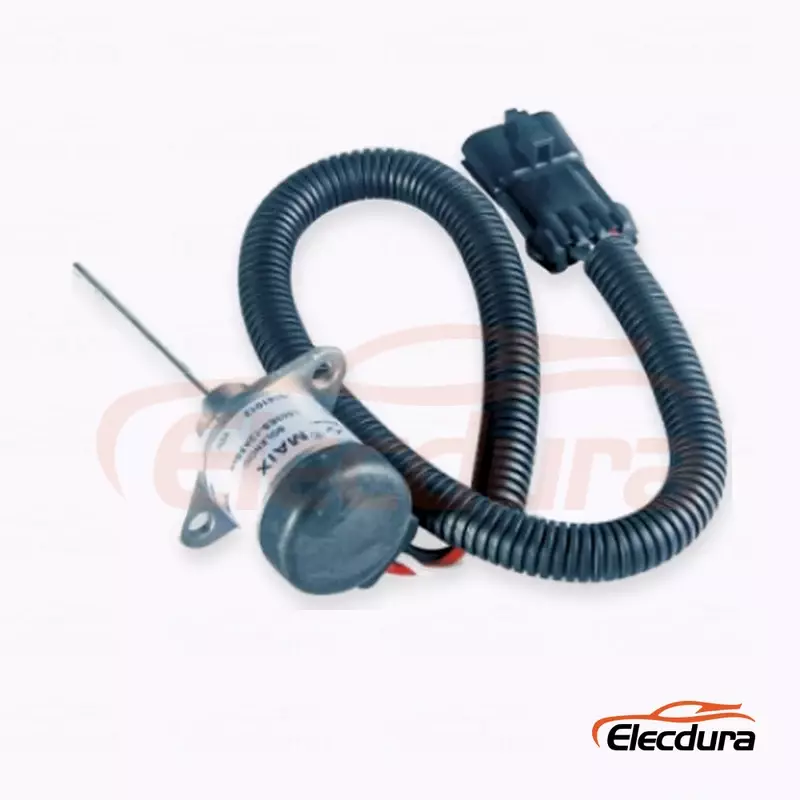
Keep the approved reference and receiving record together for future orders.
A useful Top 20 page does not turn names into automatic approvals. It helps a Brazil purchaser turn a broad search into a precise request, a controlled sample, and a documented receiving standard. Verify the exact item, its function, its application, and the commercial route each time the order matters.
To start a quotation, send the vehicle or machine details, old part number, photos, measurements, medium, voltage, quantity, and destination through the Elecdurauto contact page. Buyers may also review Elecdurauto’s company information and the Elecdurauto heavy-duty parts catalog before comparing a proposed solution with their application requirements.


